 Save
Save There's a moment in late autumn when I realized cabbage wasn't just something to boil into submission—it was actually magnificent when treated with intention. I was standing at the farmers market, surrounded by vendors selling the last of the season's greens, when a farmer handed me a perfect specimen and said, "Cook it hot and fast, and it'll surprise you." That one piece of advice changed everything about how I approach this humble vegetable.
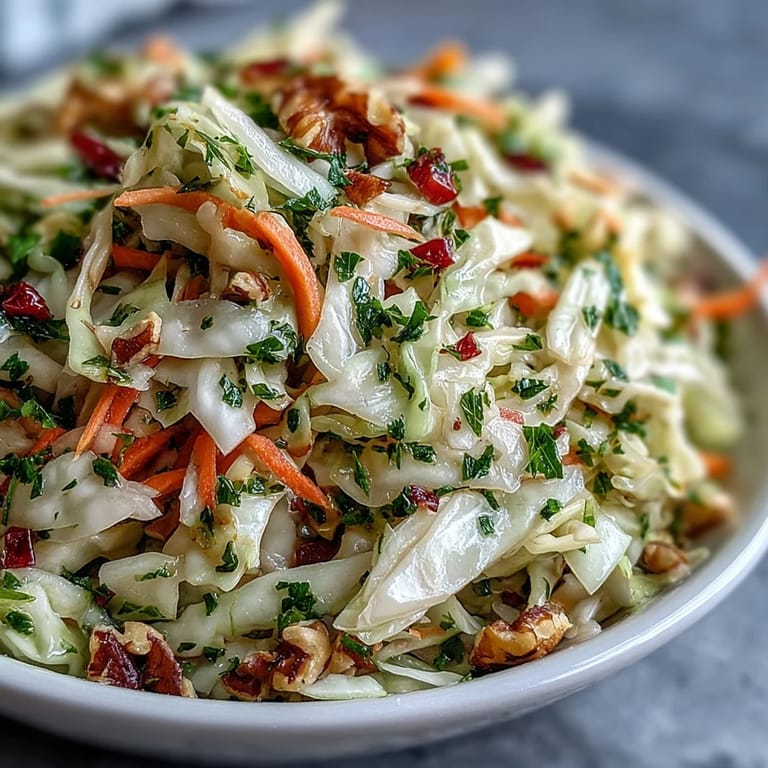
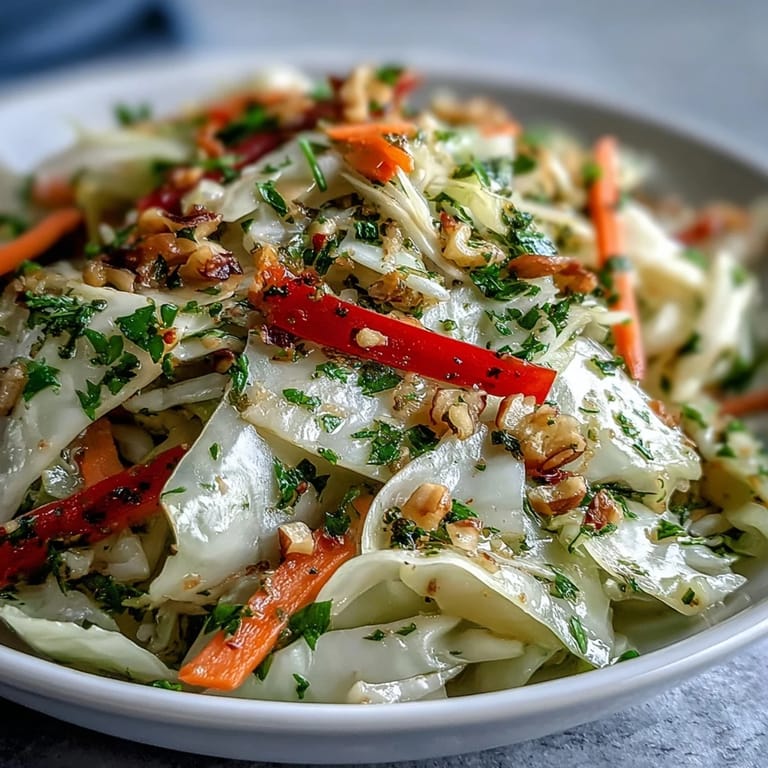
I made this for a potluck last spring when everyone else showed up with heavy casseroles and cream-based sides. My warm cabbage salad sat there looking deceptively simple until people actually tried it—then I watched someone go back for thirds and heard them whisper to their partner, "It's just cabbage, but it's not just cabbage." That's the moment I knew this recipe had staying power.
Ingredients
- 1 medium green cabbage (about 900 g), cored and thinly sliced: This is your star, so choose one that feels dense and fresh—the thinner you slice it, the faster it wilts and the better the texture.
- 1 large carrot, peeled and julienned: Julienned means thin matchsticks that cook gently in the residual heat and add natural sweetness to balance the vinegar.
- 1 small red onion, thinly sliced: Red onion stays sweeter than yellow when not cooked, adding color and a gentle bite.
- 1 red bell pepper, thinly sliced: Think of this as your crunch anchor that survives the warmth of the dressed cabbage.
- 2 tbsp fresh parsley, chopped: Parsley isn't just garnish here—it brightens everything and should go in while the salad is still warm.
- 3 tbsp extra-virgin olive oil: Split between cooking and dressing; use one you actually enjoy tasting because you will taste it.
- 2 tbsp apple cider vinegar: The backbone of flavor—it's tangy without being aggressive, and it plays beautifully with the mustard.
- 1 tbsp Dijon mustard: This emulsifies the dressing and adds depth that regular yellow mustard simply doesn't have.
- 1 tsp honey or maple syrup: Just enough to round out the sharp edges without making this sweet.
- 1/2 tsp sea salt and 1/4 tsp freshly ground black pepper: Salt goes in the dressing, not on the cabbage before cooking, so you maintain control over the final taste.
- Optional: 1/4 cup toasted walnuts or sunflower seeds: Toasted versions give you crunch and nuttiness; raw seeds work too but won't add quite the same textural interest.
- Optional: 30 g feta cheese, crumbled: If you're not dairy-free, the slight saltiness and creaminess make this feel more like a composed dish than a simple vegetable situation.
Tired of Takeout? 🥡
Get 10 meals you can make faster than delivery arrives. Seriously.
One email. No spam. Unsubscribe anytime.
Instructions
- Heat your pan and get it ready:
- Use a large skillet over medium-high heat and add 1 tablespoon of olive oil—you want it shimmering and almost smoking slightly before the cabbage hits the pan. This is what creates that tender-but-still-vibrant texture everyone loves.
- Sauté the cabbage until it's just tamed:
- Add your sliced cabbage and stir frequently for 4 to 5 minutes—you're listening for the sound of gentle sizzle and watching for the edges to soften while the center stays slightly crisp. When you smell something almost sweet coming off the pan, that's your signal you're done.
- Transfer to your mixing bowl while warm:
- The warm cabbage is now ready to accept the other vegetables and, eventually, the dressing. This warmth matters because it helps everything meld together in a way cold cabbage simply won't allow.
- Add your raw vegetables and parsley:
- Toss your julienned carrot, red onion, bell pepper, and fresh parsley into the warm cabbage and mix gently—you're building layers of flavor and texture here, not creating mush.
- Whisk together your dressing:
- In a separate small bowl, whisk the remaining 2 tablespoons of olive oil with the apple cider vinegar, Dijon mustard, honey, salt, and pepper until it looks slightly thickened and unified. The mustard acts as an emulsifier, which means it helps the oil and vinegar actually get along.
- Dress the salad and let it rest:
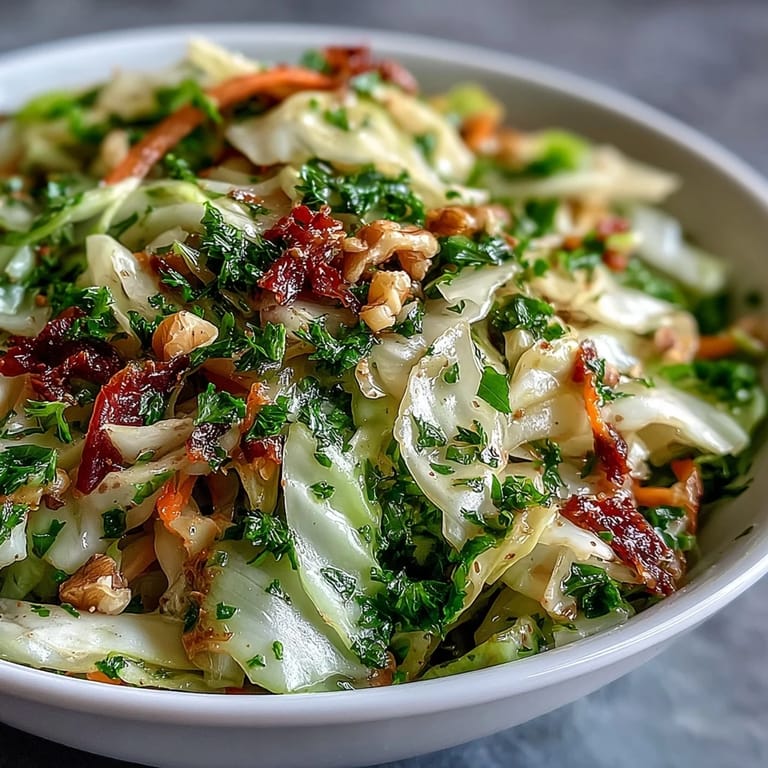
- Pour the dressing over everything and toss thoroughly until every strand of cabbage glistens—then let it sit undisturbed for 5 minutes so the flavors can actually introduce themselves to each other. Those 5 minutes transform this from separate ingredients into something that tastes intentional.
- Finish with toppings and serve:
- Scatter your toasted walnuts or sunflower seeds and crumbled feta (if using) over the top just before serving, so they stay crunchy and don't absorb the dressing. Serve warm or at room temperature, depending on your mood and the season.
 Save
Save There was an afternoon when my neighbor stopped by while I was making this, and instead of just popping in to say hello, she sat at my kitchen counter for twenty minutes and watched the whole process unfold. She kept asking questions about why I was doing things a certain way, and by the time we tasted it together, she understood that cooking isn't about following orders—it's about understanding what's happening in the pan. We've made this salad together dozens of times since then.
The Magic of Warm Vegetables
Most people think salads have to be cold, but there's something genuinely comforting about vegetables that are just barely warm, still releasing steam, while a tangy dressing coats them. The warmth opens up the flavors in a way that cold vegetables simply can't match, and it changes how your palate experiences the acidity of the vinegar. It's the difference between a salad that's refreshing and one that feels like it was made specifically for you.
Why This Works as a Side Dish
I originally made this to serve alongside grilled chicken, and I've since realized it pairs beautifully with almost anything—roasted salmon, simple pasta, even just crusty bread and soft cheese. The cabbage salad acts as a palate cleanser without being aggressive about it, and because it's herbaceous and tangy, it actually makes proteins taste better. It's one of those quiet dishes that elevates everything around it without demanding attention.
Making It Your Own
This salad is forgiving enough to adapt based on what's in your crisper drawer and flexible enough to meet whatever dietary needs are sitting at your table. The basic formula—warm cabbage, bright raw vegetables, emulsified dressing—stays the same while everything else becomes a conversation between you and your ingredients.
- Add thinly sliced radishes or shredded apple if you want extra crunch and a whisper of sweetness competing with the vinegar.
- Make it vegan by swapping honey for maple syrup and simply omitting the feta entirely—the salad loses nothing and gains a different kind of completeness.
- Keep leftovers in an airtight container in the refrigerator for up to 2 days, and serve at room temperature for the best balance of flavors.
 Save
Save This salad became my quiet rebellion against the idea that vegetables need to be apologized for or hidden under heavy sauces. It's proof that respect for your ingredients and a little bit of attention actually changes everything.
Recipe FAQs
- → Should I serve this cabbage dish warm or cold?
This salad shines when served warm or at room temperature. The flavors develop beautifully as it rests, making it perfect for meal prep or serving at gatherings where it might sit out briefly.
- → How long does sautéed cabbage keep in the refrigerator?
Store in an airtight container for up to 2 days. Bring to room temperature before serving—the textures and flavors taste much better when not chilled straight from the refrigerator.
- → What protein pairs well with this warm cabbage salad?
Grilled chicken, roasted salmon, or pan-seared tofu complement the tangy flavors beautifully. The cabbage also stands alone as a satisfying vegetarian main, especially with walnuts and feta added.
- → Can I use different vegetables in this salad?
Absolutely. Try adding thinly sliced radishes, shredded apple for sweetness, or swap red cabbage for half the green. The dressing works beautifully with almost any vegetable combination.
- → Is this dish suitable for meal prep?
Yes. The flavors meld and improve overnight. Store components separately if you prefer maximum crunch, but everything keeps well together for 2 days. Add toasted nuts just before serving.