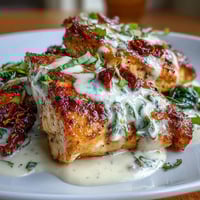
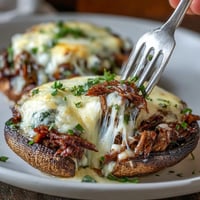
 Save
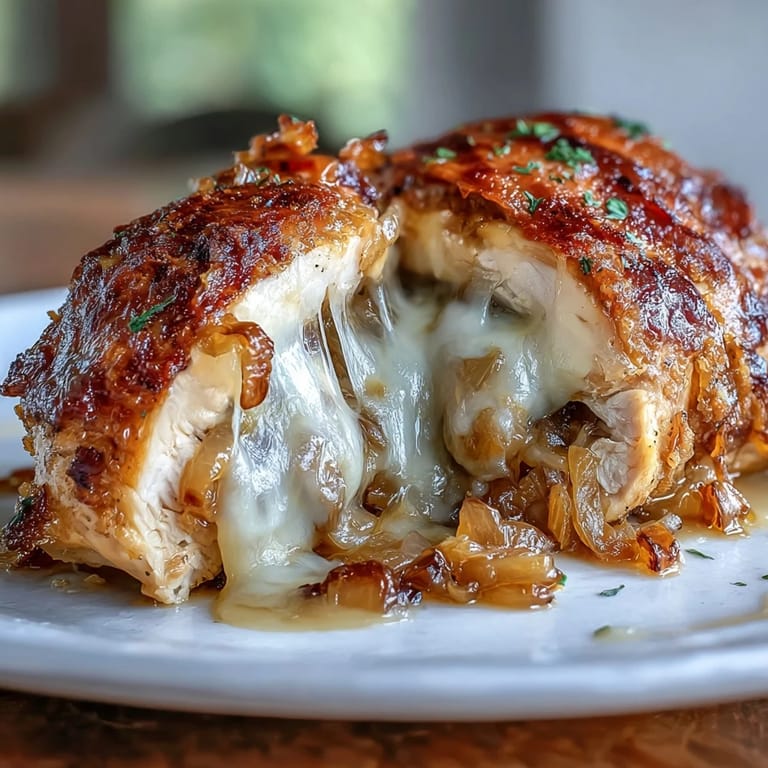
Save There's a moment in every cook's life when you taste something so good you become obsessed with recreating it at home. For me, that moment happened at a tiny bistro in Lyon, where a bowl of French onion soup arrived so rich and aromatic that I couldn't stop thinking about it for weeks. One evening, staring at chicken breasts in my fridge, I wondered what would happen if I borrowed those deep, caramelized onion flavors and tucked them inside tender meat instead. The result was this stuffed chicken that tastes like autumn in every bite.
I made this for my sister's birthday last spring, and watching her cut into the chicken to discover that golden onion surprise inside was worth every minute of prep work. She kept saying it tasted like something she'd had in France, which made me grin knowing exactly where the inspiration came from. That night reminded me that the best meals are the ones where people pause mid-conversation just to savor another bite.
Ingredients
- Chicken breasts: Use large ones so you have enough space to create a pocket without tearing the meat; they cook faster and more evenly than smaller cuts.
- Yellow onions: These caramelize beautifully and develop a natural sweetness that regular white onions simply don't achieve.
- Unsalted butter: This is non-negotiable for the onion base; it creates a richness that oil can never replicate.
- Fresh thyme: If you only have dried, use half the amount; fresh herbs taste brighter and prevent that dusty quality.
- Balsamic vinegar: Just a teaspoon cuts through the richness and adds complexity that makes people ask what your secret ingredient is.
- Beef broth: Low-sodium is essential because you're concentrating the flavors as it reduces; too much salt ruins everything.
- Gruyère cheese: Its nutty flavor complements onions in ways that cheddar or mozzarella simply can't; Swiss works if you need a substitute but tastes slightly different.
- Parmesan cheese: The grated kind on top creates a golden crust that catches the heat and adds texture.
Tired of Takeout? 🥡
Get 10 meals you can make faster than delivery arrives. Seriously.
One email. No spam. Unsubscribe anytime.
Instructions
- Prepare your workspace:
- Preheat the oven to 400°F and gather everything you need within arm's reach; you'll want to move quickly once the chicken goes in the pan.
- Build the caramelized onion magic:
- Melt butter over medium heat and add your sliced onions, stirring occasionally for about 15 minutes until they're soft and turning golden brown. The patience here matters more than anywhere else in this recipe; rushing onions means missing that deep, sweet flavor you're after.
- Deepen the flavor:
- Add minced garlic, thyme, a pinch of sugar, and salt, cooking just until fragrant, then stir in the balsamic vinegar and beef broth. Let everything simmer until most of the liquid vanishes and the onions look jammy and concentrated, about 5 minutes, then set aside to cool slightly.
- Create the pocket:
- Pat your chicken breasts completely dry with paper towels to ensure they sear properly. Using a sharp knife held horizontally, carefully slice into the thickest part of each breast to create a pocket, being careful not to cut all the way through to the other side.
- Season and stuff:
- Season the inside and outside of each breast with salt and pepper, then fill each pocket with a generous spoonful of those cooled caramelized onions and one slice of Gruyère cheese. If the openings feel loose, secure them with a toothpick.
- Add the finishing touch:
- Sprinkle grated Parmesan over the top of each stuffed breast, pressing it gently so it adheres and will toast in the oven.
- Get that golden sear:
- Heat olive oil in an oven-safe skillet over medium-high heat until it shimmers, then carefully place your stuffed breasts in the pan. Sear for 2 to 3 minutes per side until golden brown; this creates flavor and helps seal in the juices.
- Finish in the oven:
- Transfer the skillet directly to the 400°F oven and bake for 20 to 25 minutes until the internal temperature reaches 165°F. You'll know it's done when a meat thermometer inserted into the thickest part reads that magic number.
- Rest before serving:
- Remove from the oven and let the chicken rest for 5 minutes; this allows the juices to redistribute throughout the meat, keeping it tender. Garnish with fresh parsley if you have it on hand.
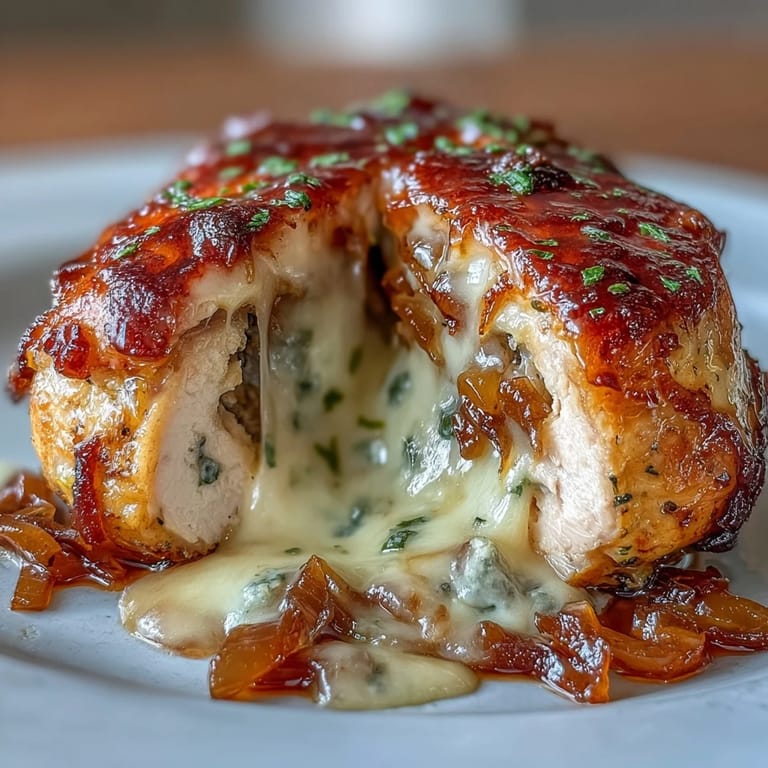
 Save
Save There's something almost magical about cutting into a piece of chicken at the dinner table and having those caramelized onions spill out, their aroma rising with the steam. It transforms a simple protein into something unexpected and memorable, the kind of dish people talk about for months afterward.
Making the Onions Sing
The onion filling is honestly where ninety percent of this dish's soul lives, so let's talk about it properly. Caramelizing onions is not about rushing; it's about surrendering to the process and letting time do the work. Medium heat means they'll soften and release their natural sugars without burning or turning bitter, which is the difference between okay caramelized onions and the kind that make people close their eyes while chewing.
Timing and Temperature Matter
I used to cook chicken at 375°F and wonder why it sometimes felt dry in the center while the outside cooked too fast. Then I realized 400°F actually works better here because the oven heat is high enough to finish cooking the chicken quickly without the cheese browning to charcoal. An oven thermometer sitting on your oven rack costs about five dollars and removes all the guesswork from doneness.
Cheese Selection and Substitutions
Gruyère has this incredible nutty depth that just pairs naturally with caramelized onions, almost like they were made for each other. Swiss cheese works in a pinch and creates a different but equally delicious flavor profile, while provolone adds a sharper edge that some people prefer. If you're experimenting, buy small amounts of different cheeses and taste them against your caramelized onions before committing to a whole meal.
- Avoid pre-sliced cheese from packages as it contains anti-caking agents that prevent proper melting.
- Let cheese sit at room temperature for 10 minutes before assembling for better texture.
- The combination of Gruyère and Parmesan creates layers of flavor that single-cheese versions simply don't achieve.
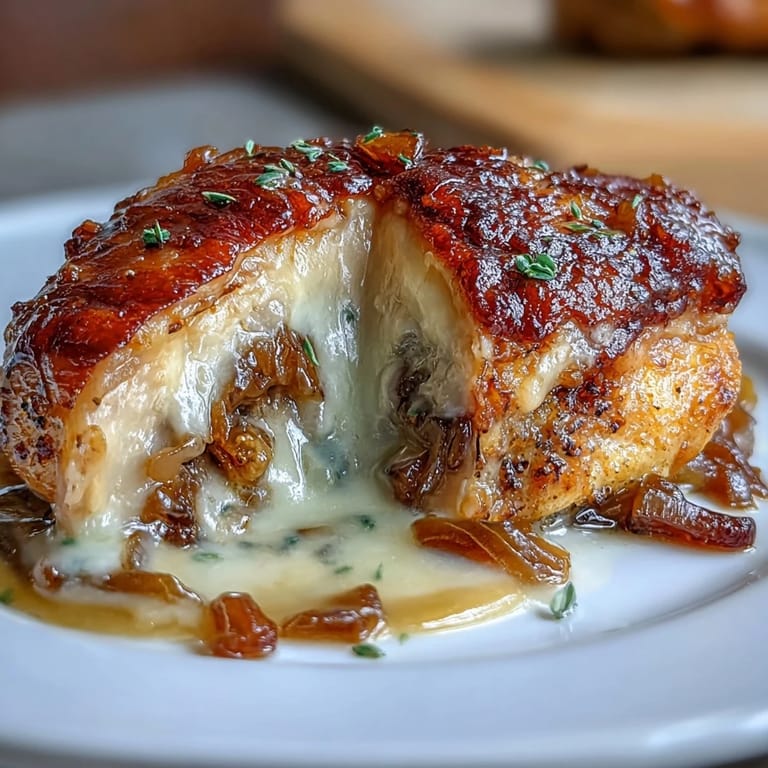
 Save
Save This dish reminds me why I love cooking in the first place: taking simple ingredients and coaxing them into something that feels more elaborate than it actually is. Serve it with roasted vegetables or buttered mashed potatoes and watch people forget to talk.
Recipe FAQs
- → How do I caramelize the onions properly?
Cook sliced onions slowly in butter over medium heat, stirring frequently until they turn soft and golden brown, about 15 minutes. Adding a touch of sugar and balsamic vinegar helps deepen the sweetness.
- → Can I substitute the cheese used in the filling?
Yes, Gruyère can be replaced with Swiss or provolone cheese for a similar melt and flavor profile.
- → What is the best way to ensure the chicken stays juicy?
Searing the stuffed chicken breasts on the stovetop before baking seals in moisture, and baking at a moderate temperature until cooked through preserves juiciness.
- → Is it important to rest the chicken after cooking?
Allowing the chicken to rest for 5 minutes after baking helps redistribute juices, resulting in a more tender bite.
- → What sides pair well with this dish?
Roasted vegetables or creamy mashed potatoes complement the rich flavors and complete the meal nicely.