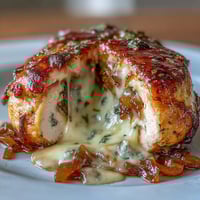
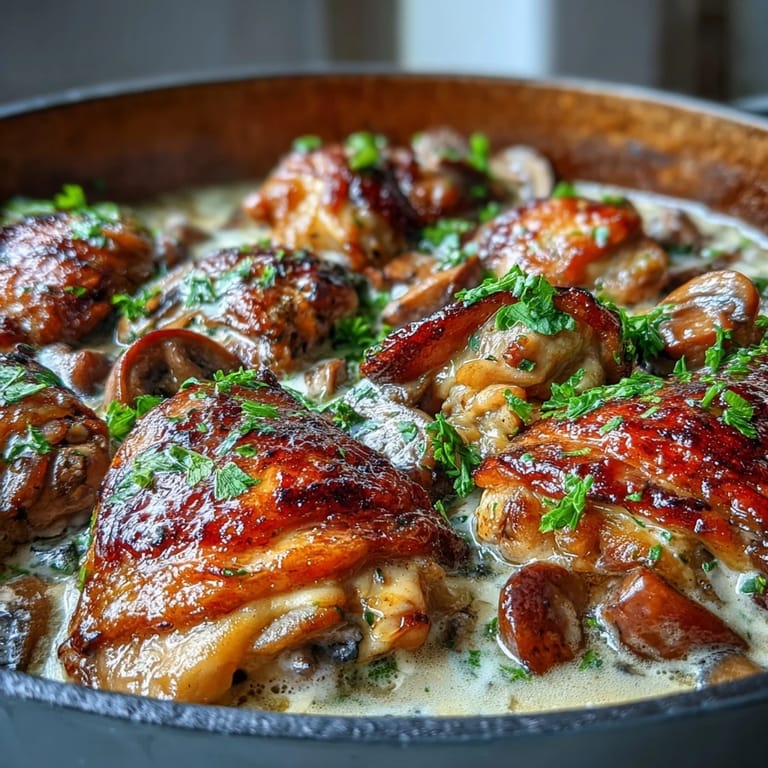
 Save
Save My neighbor brought back a bottle of pale rosé from Provence, and I knew immediately I wanted to braise chicken in it. The kitchen filled with steam and wine fumes as the pot bubbled away, and the sauce turned this gorgeous blush pink that looked almost too pretty to eat. I served it to a table of skeptical friends who thought rosé belonged only in summer glasses, but by the second bite, everyone went quiet. That night taught me that sometimes the best versions of classics come from breaking the rules just a little.
I made this on a rainy April evening when I wanted something cozy but not too rich. The smell of thyme and rosemary mingling with the wine made the whole house feel like a French countryside inn. My sister called halfway through and stayed on the phone just to hear me describe what was simmering. When I finally sat down to eat, the chicken practically fell off the bone, and the sauce had thickened into something I wanted to spoon over everything. It became my go to whenever I need to feel like I'm taking care of myself properly.
Ingredients
- Bone in, skin on chicken pieces: Thighs and drumsticks stay moist during the long braise and give the sauce body from the bones, plus the skin crisps beautifully when you brown them first.
- Dry rosé wine: Choose something you would actually drink, not cooking wine, because its flavor concentrates as it reduces and becomes the soul of the dish.
- Olive oil: Just enough to get a good sear on the chicken without making the sauce greasy later.
- Onion, garlic, carrots, leek: This aromatic base softens into sweet, tender bites that soak up all the winey goodness.
- Cremini or button mushrooms: Quartered so they release moisture and flavor into the sauce while holding their shape and texture.
- Tomato paste: A spoonful adds a subtle savory depth and helps the sauce cling to the chicken.
- All purpose flour: Optional, but a light dusting helps thicken the sauce and gives it a velvety body.
- Heavy cream: Stirred in at the end, it mellows the acidity of the wine and turns the sauce luxurious and glossy.
- Bay leaf, thyme, rosemary: These herbs perfume the pot and make your kitchen smell like a bistro, then you pull them out before serving.
- Fresh parsley: A handful of brightness right at the end cuts through the richness and makes every bite feel fresh.
Tired of Takeout? 🥡
Get 10 meals you can make faster than delivery arrives. Seriously.
One email. No spam. Unsubscribe anytime.
Instructions
- Season and Prep the Chicken:
- Pat each piece completely dry with paper towels so the skin can brown instead of steam, then season generously with salt and pepper on all sides. Dry skin is the secret to that deep golden crust.
- Brown the Chicken:
- Heat the olive oil in your Dutch oven over medium high heat until it shimmers, then add the chicken skin side down in batches, letting each piece sit undisturbed for about 5 minutes until deeply browned before flipping. Transfer the browned chicken to a plate and don't worry about cooking it through yet.
- Sauté the Vegetables:
- In the same pot with all those tasty browned bits, add the onions, carrots, and leek, stirring occasionally until they soften and start to turn translucent, about 4 to 5 minutes. Toss in the mushrooms and cook another 3 minutes until they release their moisture and start to brown at the edges.
- Add Garlic and Tomato Paste:
- Stir in the minced garlic and let it cook for just a minute until fragrant, then add the tomato paste and stir it around for another minute to caramelize slightly and deepen its flavor. This step adds a layer of savory richness you will taste in every spoonful.
- Thicken and Deglaze:
- If you are using flour, sprinkle it over the vegetables and stir everything together to coat, cooking for about a minute. Pour in the rosé, scraping the bottom of the pot with a wooden spoon to release all those stuck on bits of flavor.
- Braise the Chicken:
- Nestle the browned chicken pieces back into the pot along with any juices that collected on the plate, then tuck in the bay leaf, thyme, and rosemary. Bring everything to a gentle simmer, cover the pot, and reduce the heat to low, letting it cook for 45 minutes until the chicken is fall apart tender.
- Finish with Cream:
- Fish out and discard the bay leaf and herb sprigs, then stir in the heavy cream and let the sauce simmer uncovered for 5 to 10 minutes until it thickens slightly and turns glossy. Taste and adjust the seasoning with more salt and pepper if needed.
- Serve:
- Spoon the chicken and sauce onto plates or a serving platter and scatter fresh chopped parsley over the top. Serve it hot with something to soak up all that beautiful sauce.
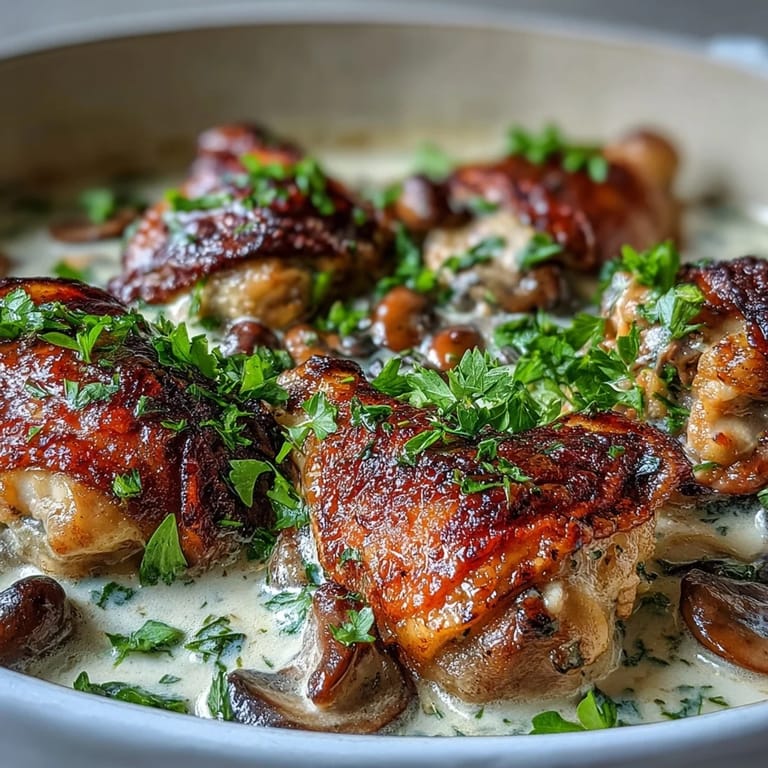 Save
Save One winter night I made this for a friend going through a rough patch, and she sat at my kitchen table in silence, soaking bread in the sauce. She didn't say much, but she asked for the recipe three times before leaving. Sometimes the best thing you can offer someone is a warm plate and a quiet space, and this dish does that work beautifully.
What to Serve It With
I love spooning this over buttered boiled potatoes that soak up the sauce like little sponges, or serving it with a crusty baguette for dragging through every last bit on the plate. Rice works too, especially if you want something neutral that lets the rosé sauce shine. A simple green salad dressed with lemon and olive oil on the side cuts the richness and makes the whole meal feel balanced and complete.
Make Ahead and Storage
This dish actually tastes better the next day after the flavors have had time to meld and deepen in the fridge. Let it cool completely, then store it in an airtight container for up to three days, reheating gently on the stovetop with a splash of water or stock to loosen the sauce. You can also freeze it without the cream for up to two months, then thaw, reheat, and stir in fresh cream at the end. I have pulled this out of the freezer on a busy weeknight and felt like I had a secret weapon.
Tweaks and Swaps
If you want a richer, more complex flavor, add a splash of cognac or brandy after browning the chicken and let it sizzle off before adding the wine. For a lighter version, swap the heavy cream for crème fraîche or half and half, which still gives you creaminess without quite as much richness. You can also mix half rosé and half chicken stock if you want to stretch the wine or tone down the acidity a bit.
- Try adding pearl onions or shallots along with the vegetables for a more traditional coq au vin look and flavor.
- A handful of crispy bacon or pancetta at the end adds a smoky, salty contrast that makes the dish even more indulgent.
- Finish with a squeeze of lemon juice if the sauce tastes too heavy and needs a little brightness to wake it up.
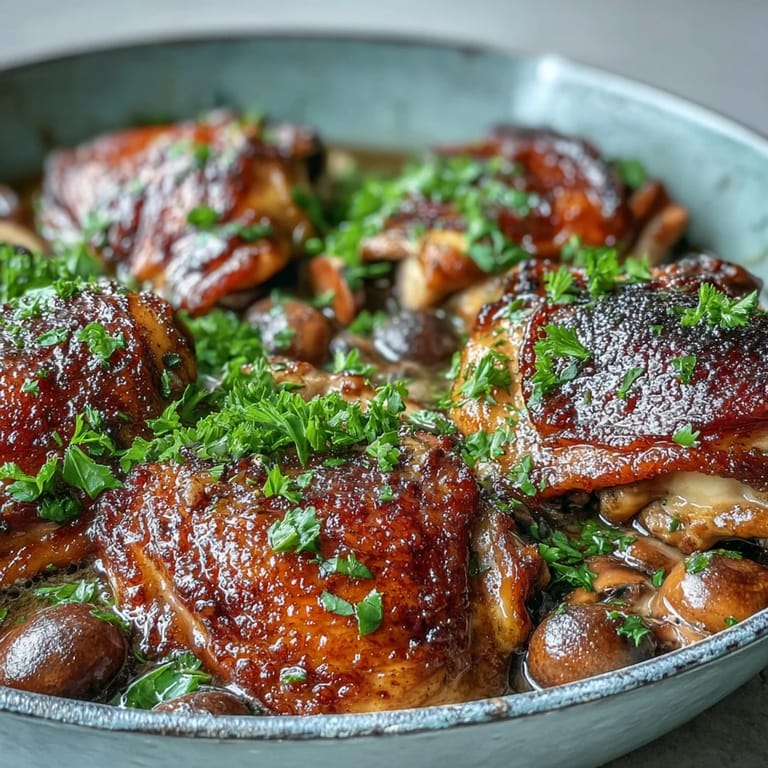 Save
Save This is the kind of recipe that makes you feel capable and a little bit fancy, even on a random Tuesday. I hope it fills your kitchen with the same warmth and wonderful smells it brought to mine.
Recipe FAQs
- → Can I use chicken breasts instead of thighs and drumsticks?
While you can use chicken breasts, thighs and drumsticks are recommended because they remain tender and juicy during the longer braising time. If using breasts, reduce cooking time to prevent them from drying out.
- → What type of rosé wine works best for this dish?
Choose a dry rosé wine with good acidity and body. Avoid sweet or overly fruity rosés. A Provence-style rosé or dry Spanish rosado works wonderfully for braising.
- → Can I make this dish ahead of time?
Yes, Coq au Vin Rosé actually tastes better the next day as flavors meld together. Prepare through step 8, cool completely, refrigerate, and gently reheat before serving. Add fresh parsley just before serving.
- → How can I make the sauce thicker?
If you want a thicker sauce, use the tablespoon of flour in step 5, or simmer the sauce uncovered for a few extra minutes after adding the cream. You can also mash some of the softened vegetables into the sauce.
- → What are the best side dishes to serve with Coq au Vin Rosé?
Classic accompaniments include buttered potatoes, creamy mashed potatoes, crusty French bread, rice pilaf, or egg noodles. These sides help soak up the delicious rosé cream sauce.
- → Can I substitute the heavy cream with a lighter alternative?
Yes, you can use half-and-half or crème fraîche for a lighter version. Keep in mind that the sauce will be slightly less rich and creamy, but still delicious.