 Save
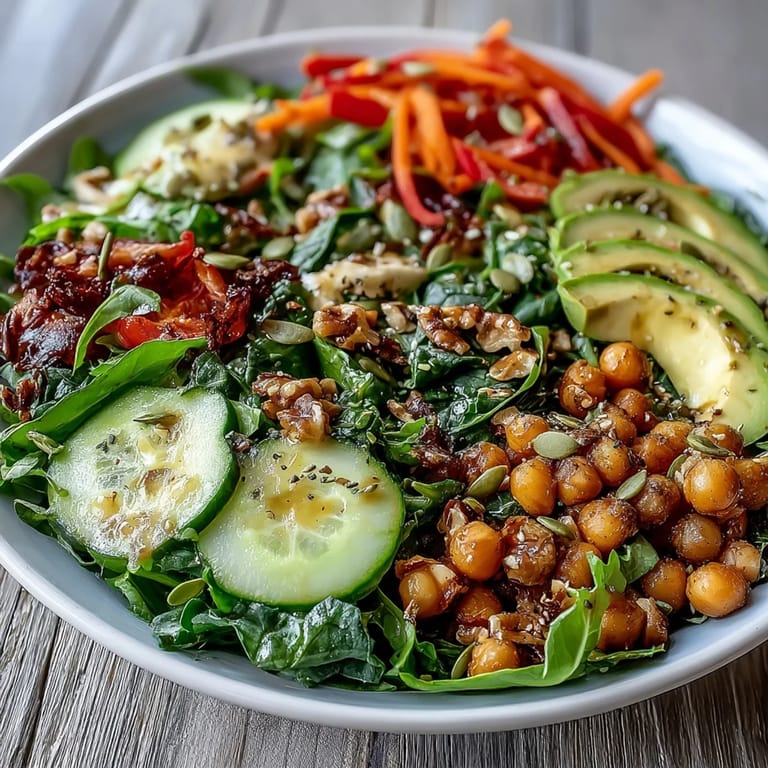
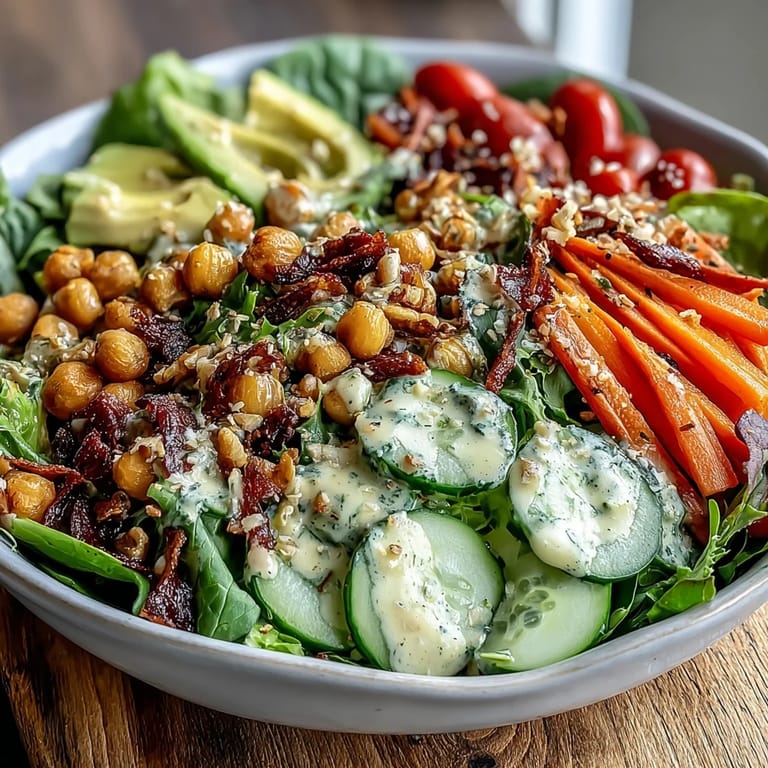
Save There's something magical about assembling a bowl instead of tossing everything together—it feels less like lunch and more like creating art on a plate. I discovered this power bowl phase during a stretch when I was trying to eat better but didn't want to sacrifice flavor or spend hours in the kitchen. One afternoon, I stood in front of my fridge staring at a half-dozen vegetables and suddenly realized I could just arrange them beautifully instead of chopping them into submission. That simple shift changed how I approached salads entirely.
I made this bowl for my friend Maya who'd just started running and kept complaining about meal prep boredom. She watched me layer everything with quiet intensity, then took one bite and got this look—part relief, part revelation. She's made it twice a week ever since, sometimes with different beans, sometimes adding quinoa when she's feeling ambitious. That's when I knew it wasn't just a salad; it was something people actually wanted to come back to.
Ingredients
- Mixed salad greens (4 cups): Combine spinach, arugula, kale, and romaine for different textures and flavors—the peppery arugula and tender spinach balance the sturdy kale beautifully.
- Cherry tomatoes (1 cup, halved): Halving them releases just enough juice to flavor the greens when they sit together, and they're sweet enough to need no other seasoning.
- Cucumber (1 cup, sliced): The cooling element that keeps this bowl refreshing even on heavy afternoons, best sliced just before serving so it stays crisp.
- Red bell pepper (1 pepper, thinly sliced): The natural sweetness and crunch make it worth taking a minute to slice it thin rather than chunky.
- Carrot (1 large, shredded): Shredding instead of slicing gives you more surface area and makes the bowl feel more dynamic and interesting to eat.
- Avocado (1 small, sliced): Add this last and just before eating, or it will turn an unpleasant brown—treat it like the precious ingredient it is.
- Chickpeas or black beans (1 can, rinsed and drained): Rinsing removes the starchy liquid and stops the bowl from tasting tinny; this step takes 30 seconds and changes everything.
- Toasted walnuts or almonds (1/3 cup, chopped): Toast them yourself if you can—the smell alone is worth it, and they taste exponentially better than raw.
- Pumpkin seeds (2 tablespoons): These add a subtle earthiness and keep things interesting texture-wise without overpowering the vegetables.
- Olive oil (3 tablespoons): Use something you actually enjoy tasting, not the cheapest bottle, because it's the backbone of your dressing.
- Lemon juice (1 tablespoon): Fresh lemon, always—bottled tastes like metal in comparison, and one lemon costs almost nothing.
- Apple cider vinegar (1 tablespoon): This adds a gentle tang that makes the whole bowl sing without tasting vinegary if you measure correctly.
- Dijon mustard (1 teaspoon): Just enough to emulsify the dressing and add a subtle sharpness that you won't identify but will definitely notice if it's missing.
- Honey or maple syrup (1 teaspoon): A tiny amount balances the vinegar, so don't skip it even though it seems small.
- Salt and black pepper: Taste as you go, especially with the greens—they need a bit more seasoning than you'd think.
Tired of Takeout? 🥡
Get 10 meals you can make faster than delivery arrives. Seriously.
One email. No spam. Unsubscribe anytime.
Instructions
- Start with your canvas:
- Wash and dry your greens thoroughly, then layer them generously in the bottom of a large bowl—this is your foundation, so don't be shy.
- Build your rainbow:
- Arrange the tomatoes, cucumber, bell pepper, shredded carrot, and avocado in sections around or on top of the greens, creating pockets of color.
- Add the beans:
- Scatter the drained chickpeas or black beans evenly across the bowl—they'll nestle into the crevices and distribute with every bite.
- Crown with crunch:
- Sprinkle the toasted nuts and pumpkin seeds over the top right before serving so they stay crispy and don't get soggy.
- Make the dressing magic:
- In a small bowl, whisk the olive oil, lemon juice, apple cider vinegar, mustard, and honey until the mixture emulsifies and turns slightly pale—this takes about 30 seconds of actual whisking.
- Finish and serve:
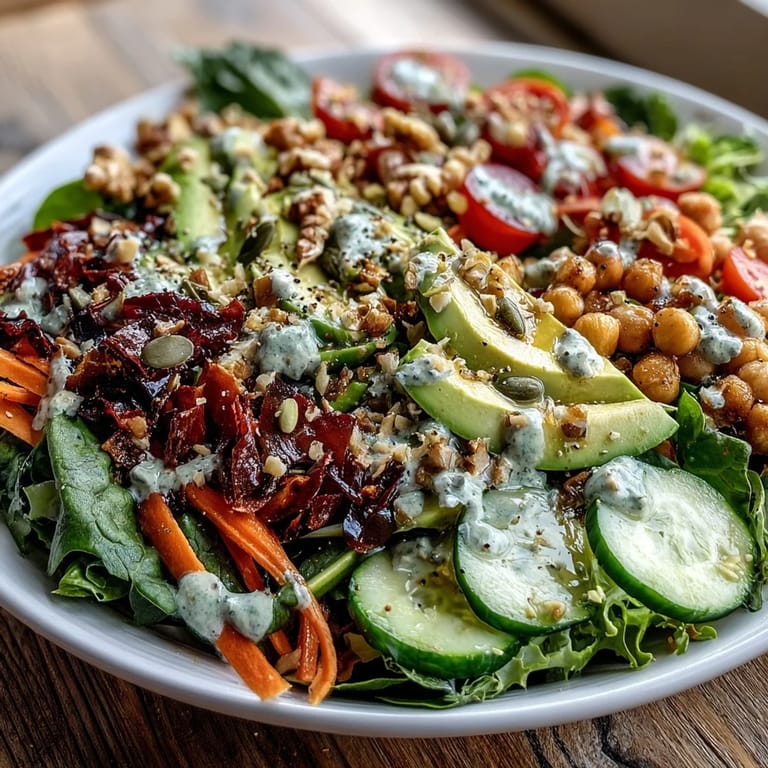
- Drizzle the dressing over the bowl just before eating, or toss gently to combine if you prefer everything mixed together, then taste and adjust the seasoning.
 Save
Save What started as a quick lunch became the thing I make when people visit because it looks impressive without requiring actual cooking skills. There's something about presenting someone with a bowl full of bright colors and fresh ingredients that feels generous, like you've put thought into their nutrition even if you spent fifteen minutes on it.
The Power of Layering
Layering isn't just presentation—it's actually practical. When you arrange everything separately, you can grab bites with the exact ratio you want each time, and nobody gets stuck with a forkful of just lettuce. I learned this the hard way after years of tossing everything together and ending up with mostly greens by the bottom of the bowl. Now I layer intentionally, and somehow the bowl stays interesting from first bite to last.
Dressing That Actually Tastes Good
This simple vinaigrette taught me that commercial dressings exist because people think homemade dressing is complicated, when really it's five ingredients and a bowl. I used to buy expensive bottles that tasted like sugar with a hint of flavor, until I tried whisking my own one morning and tasted the actual lemon. The quality difference is immediate and dramatic, and once you realize how easy it is, you'll never go back.
Customization Without Losing the Plot
The beauty of this bowl is that it begs for variation while staying fundamentally itself. I've made it with lentils instead of chickpeas, added quinoa for weight, thrown in leftover roasted sweet potato, even switched the nuts based on what I had. The structure stays the same, so you never feel like you're starting from scratch, but you get to play within the framework.
- Swap beans freely—kidney beans, black beans, lentils, or even white beans all work beautifully.
- Add grains like quinoa, farro, or brown rice to make it heartier and more of a complete meal.
- Include cheese like feta or goat cheese if you're not vegan, and it transforms everything into something richer.
 Save
Save This bowl taught me that the best meals aren't always complicated or time-consuming—sometimes they're just fresh ingredients treated with respect. It's become my answer to hungry friends, lunch fatigue, and the eternal question of what to eat today.
Recipe FAQs
- → Can I prepare this bowl ahead of time?
Yes, you can prep the vegetables, rinse the beans, and toast the nuts up to 2 days in advance. Store each component separately in airtight containers in the refrigerator. Keep the dressing in a small jar and add it just before serving to maintain the crisp texture of the greens and vegetables.
- → What protein options work best besides beans?
Beyond chickpeas and black beans, try lentils, edamame, or white kidney beans. For non-vegetarian options, grilled chicken strips, pan-seared shrimp, or hard-boiled eggs make excellent additions while keeping the bowl light and satisfying.
- → How can I add more substance to this bowl?
Add cooked quinoa, brown rice, farro, or couscous for extra heartiness. These grains complement the fresh vegetables perfectly and transform the bowl into a more substantial main dish. Simply prepare about 1 cup cooked grains per serving.
- → What dressing alternatives can I use?
A balsamic vinaigrette, tahini-based dressing, or Greek yogurt herb sauce all work wonderfully. For an Asian twist, try a sesame-ginger blend with rice vinegar and soy sauce. The key is balancing acidity with a touch of sweetness.
- → Is this bowl meal-prep friendly?
Absolutely. Assemble individual portions in glass containers, layering the greens on the bottom and placing heavier ingredients like beans and nuts on top. Store the dressing in separate small containers. Everything stays fresh for 3-4 days when properly refrigerated.