 Save
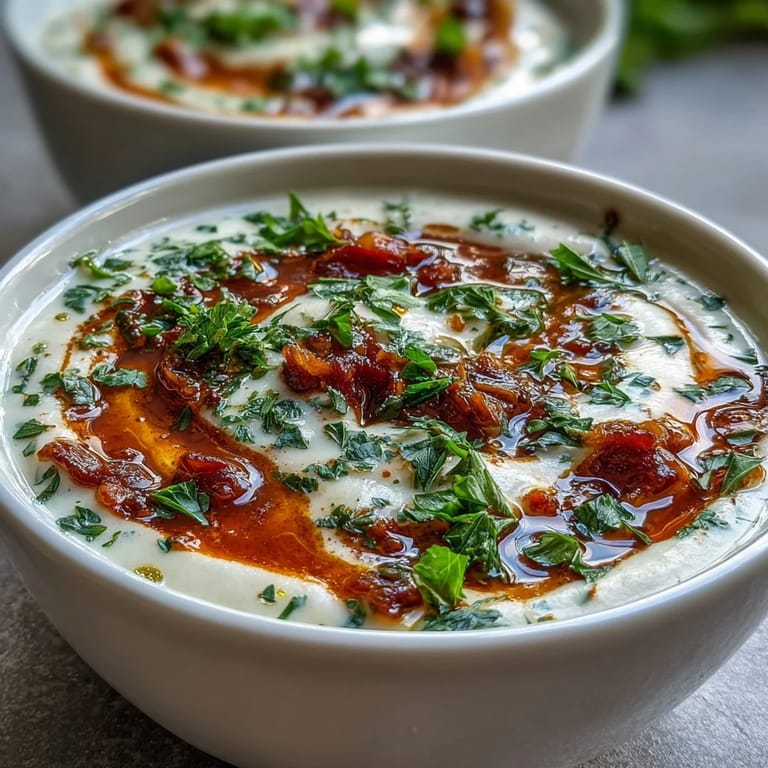
Save There's something about a bowl of white bean soup that stops time, especially on those evenings when the kitchen smells like garlic and tomato and you can't quite remember why you were stressed about dinner in the first place. My partner wandered in one autumn evening, caught a whiff of this simmering, and asked if we could make it again before the season changed. That's when I realized this soup had quietly become one of those recipes that tastes like comfort without requiring any fancy technique or exotic ingredients.
I made this for a friend who'd been having a rough week, and watching them take that first spoonful and visibly relax told me everything. The soup was warm enough to sink into, substantial enough to feel like a real meal, but light enough that it didn't sit heavy. That's when I understood why this recipe kept calling me back to the stove.
Ingredients
- Olive oil: Two tablespoons is your base for coaxing flavor out of the onion and garlic without burning anything, which has saved me more than once.
- Yellow onion: Medium dice means it breaks down into the soup by the time you're ready to blend, becoming almost invisible but deeply present in flavor.
- Garlic: Two cloves minced fine enough that they soften in just a minute—this is the moment your kitchen starts smelling like something worth cooking.
- Cannellini or great northern beans: Two cans drained and rinsed remove the starch that can make soup feel cloudy, and canned beans mean no overnight soaking required.
- Vegetable broth: Four cups is the backbone; I learned the hard way that a good quality broth makes the difference between soup that tastes like an ingredient list and soup that tastes like home.
- Diced tomatoes with juices: One can of the 14.5 oz size gives brightness and body at once, and those juices are liquid gold.
- Tomato paste: One tablespoon concentrates the tomato flavor so it doesn't fade into the background once everything is blended.
- Dried thyme and oregano: One teaspoon each builds that Mediterranean warmth that makes people ask if there's meat in the pot.
- Smoked paprika: Half a teaspoon adds a whisper of depth that makes the flavor feel more complex than it is.
- Red pepper flakes: A quarter teaspoon optional, but worth adding if you like your comfort food with just a tiny edge.
- Salt and black pepper: To taste at the end, because every broth and tomato can tastes slightly different.
- Heavy cream or coconut cream: A quarter cup optional, for richness, though the soup is genuinely lovely without it if you're leaning vegan or just keeping things simple.
- Fresh parsley or basil: Two tablespoons chopped right before serving brings a green note that makes the finished bowl look alive.
Tired of Takeout? 🥡
Get 10 meals you can make faster than delivery arrives. Seriously.
One email. No spam. Unsubscribe anytime.
Instructions
- Heat your oil and soften the onion:
- Pour the olive oil into your largest pot and set it over medium heat, then add the diced onion. The goal is translucent, which takes about five minutes—you'll see the pieces turn from opaque white to see-through and start to smell sweet. Don't rush this or blast the heat, because you want the onion to soften gently, not brown.
- Wake up the garlic:
- Once the onion is translucent, add your minced garlic and cook for exactly one minute, stirring almost constantly. This is the smell test moment—when your kitchen suddenly smells like real cooking, you know it's time to move forward.
- Build the soup base:
- Add your drained beans, the can of diced tomatoes with all their juices, the tomato paste, thyme, oregano, smoked paprika, and red pepper flakes if you're using it. Stir everything together, breaking up the tomato paste so it dissolves, and season generously with salt and pepper. The mixture should look thick and fragrant before you add any broth.
- Add broth and simmer:
- Pour in your four cups of vegetable broth and stir, then bring the whole pot to a gentle boil. Once it's bubbling, reduce the heat to low, partially cover the pot, and let it simmer for twenty minutes without any fussing. The flavors need time to marry together.
- Blend to creamy perfection:
- After twenty minutes, you can use an immersion blender right in the pot, pulsing until the soup is completely smooth and creamy—this takes about thirty seconds to a minute depending on your blender. If you prefer using a countertop blender, work in batches and always leave the lid slightly ajar to let steam escape. Either way, be patient and thorough because smooth is what transforms this from regular into something luxurious.
- Finish and taste:
- Remove the pot from heat, stir in the cream if you're using it, then taste a spoonful and adjust your salt, pepper, or paprika as needed. What tastes right to you is what matters, and at this point you have total control.
- Serve with care:
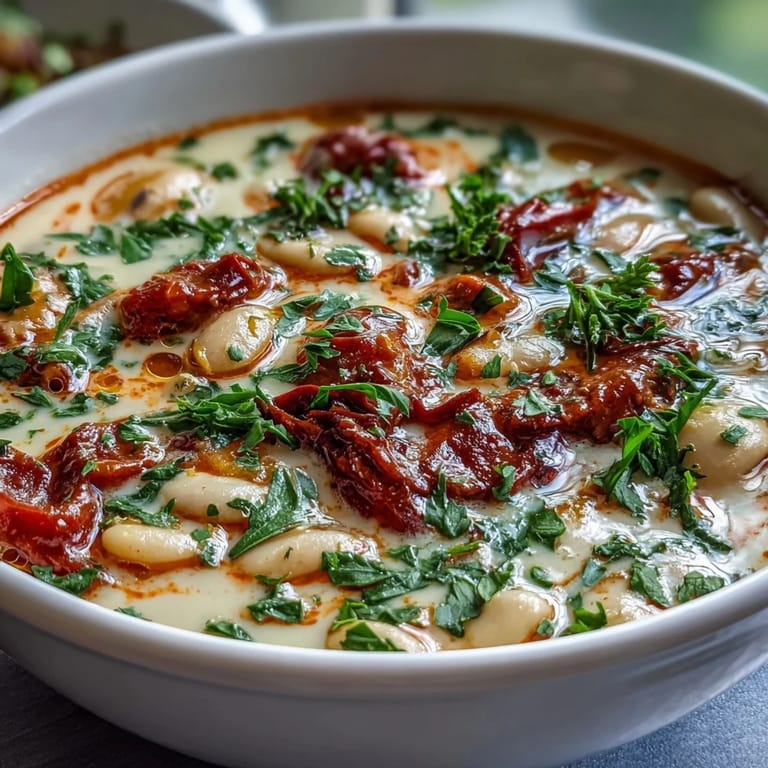
- Ladle the soup into bowls and scatter fresh parsley or basil over the top, letting a few pieces float on the surface. This final herb touch isn't just decoration—it brings a fresh note that makes each bite feel intentional.
 Save
Save  Save
Save One afternoon I added a handful of fresh spinach right before blending, just because it was sitting in the crisper drawer, and suddenly the soup went from good to something my friend described as restorative. That's when soup stopped being just dinner and became something I could actually offer someone when they needed real nourishment.
Why This Soup Works
The trick is balance—tomato gives brightness, beans give substance, broth gives fluidity, and the olive oil ties everything together into something that feels complete. White beans in particular have this subtle creaminess even before you blend them, so once you run the immersion blender through, the texture becomes almost dessert-like in its smoothness. The Mediterranean spices are gentle enough that nothing overpowers, but thoughtful enough that every spoonful tastes intentional rather than like you just threw things in a pot.
Customizing Your Bowl
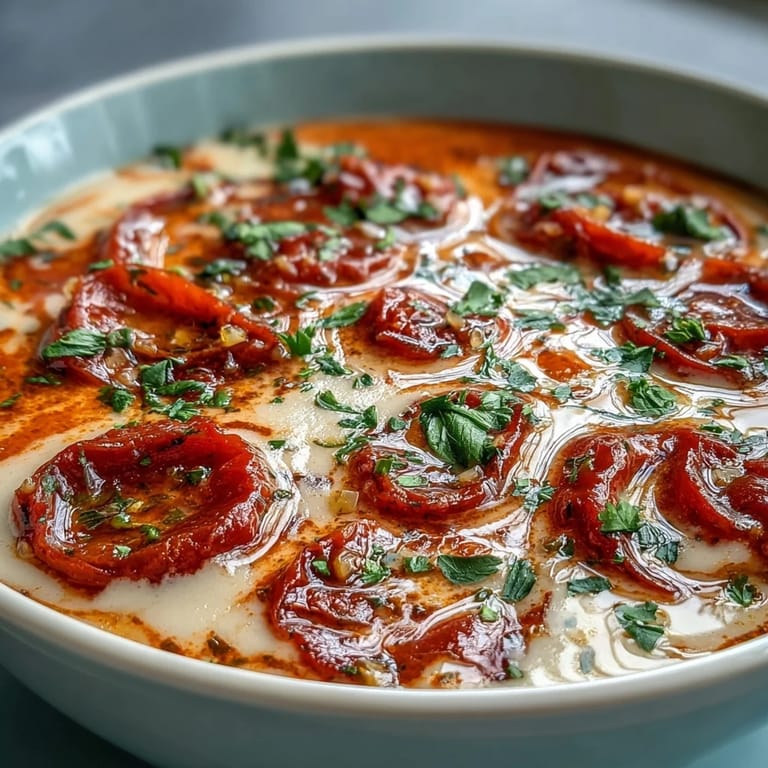
Once you've made this soup once or twice exactly as written, you'll start seeing variations everywhere. A drizzle of good olive oil on top transforms the bowl into something more elegant; a shower of crusty bread crumbles adds texture that you didn't know you needed. Some evenings I add white wine before the broth, some mornings I thin it out and eat it cold with a squeeze of lemon. The base is sturdy enough to hold whatever direction you take it.
The Rest of the Story
This is the kind of soup that makes people ask for the recipe, and when you tell them the ingredient list, they're always surprised at how simple it is. There's something humbling about creating something genuinely good without complicated techniques or an intimidating shopping list. Serve it alongside crusty bread or alongside nothing at all—the soup stands completely on its own.
- A squeeze of fresh lemon juice right before serving brightens the whole bowl without making it taste citrusy.
- Leftover soup keeps beautifully for three days in the refrigerator and actually tastes better as the flavors settle and deepen.
- This soup freezes well too, though add fresh herbs after reheating rather than before freezing.
 Save
Save 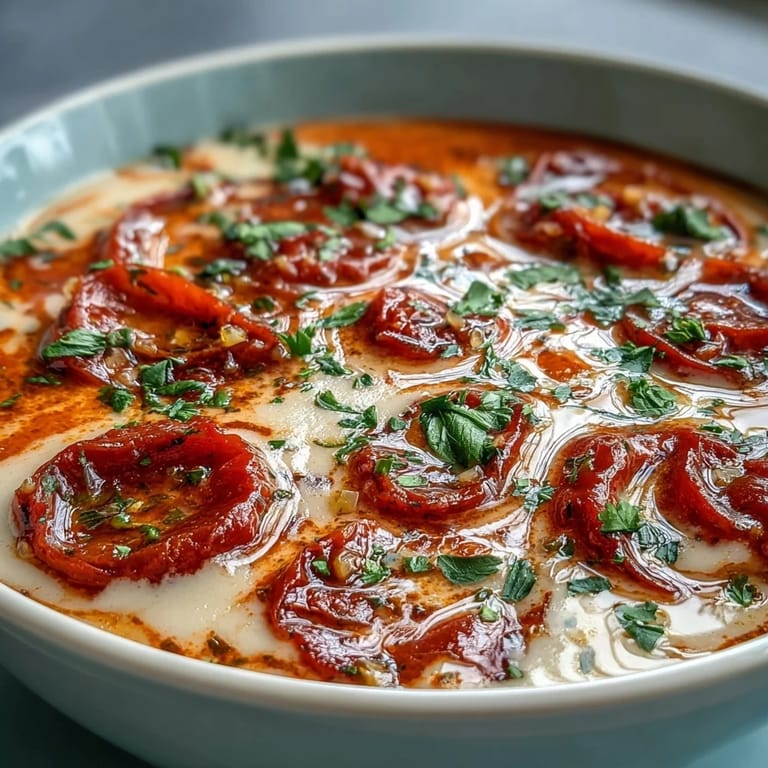 Save
Save Every time I make this soup, I'm reminded that the best meals are often the simplest ones, made with attention and served with generosity. This one is waiting for you whenever you need something warm, real, and completely satisfying.
Recipe FAQs
- → Can I use dried beans instead of canned?
Yes, substitute 1.5 cups dried cannellini beans. Soak overnight, then cook until tender (about 1-2 hours) before proceeding with the main instructions. Adjust cooking time accordingly.
- → What's the best way to make this soup creamier?
Blend the soup thoroughly with an immersion blender and add coconut cream or heavy cream at the end. Leaving some beans whole creates a chunkier texture if preferred.
- → How should I store leftover soup?
Store in an airtight container in the refrigerator for up to 4 days. Freeze for up to 3 months. Reheat gently on the stovetop, adding broth if needed to restore consistency.
- → Can I add protein to this soup?
Absolutely. Stir in cooked Italian sausage, shredded chicken, or crispy pancetta. For plant-based options, add extra beans or serve with toasted chickpeas on top.
- → What can I serve alongside this soup?
Crusty sourdough bread, garlic toast, or a simple arugula salad with lemon vinaigrette pair beautifully. A sprinkle of Parmesan or nutritional yeast adds extra flavor.
- → Is smoked paprika essential?
While it adds depth and subtle smokiness, you can substitute regular paprika or omit it entirely. The soup will still be flavorful from the tomatoes, garlic, and herbs.