 Save
Save My friend texted me a photo of a King Cake from New Orleans, and I stared at those jewel-toned sugars draped across the golden bread thinking, what if I could capture that festive chaos in something I actually knew how to make? That's when babka—with its laminated layers and cinnamon swirls—popped into my head as the perfect canvas. Three hours later, my kitchen smelled like a bakery and a Mardi Gras parade had collided, and I knew I'd created something worth making again and again.
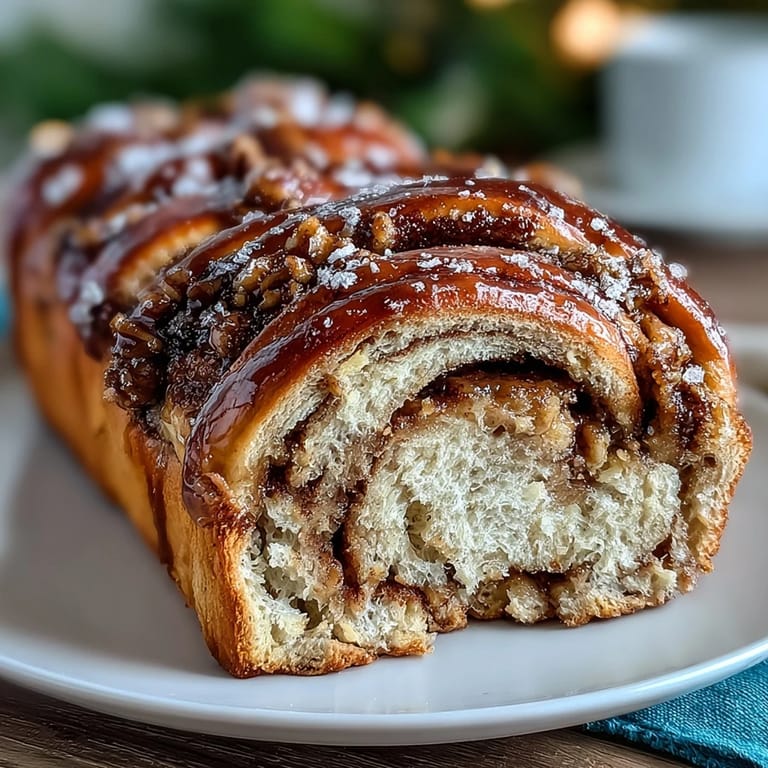
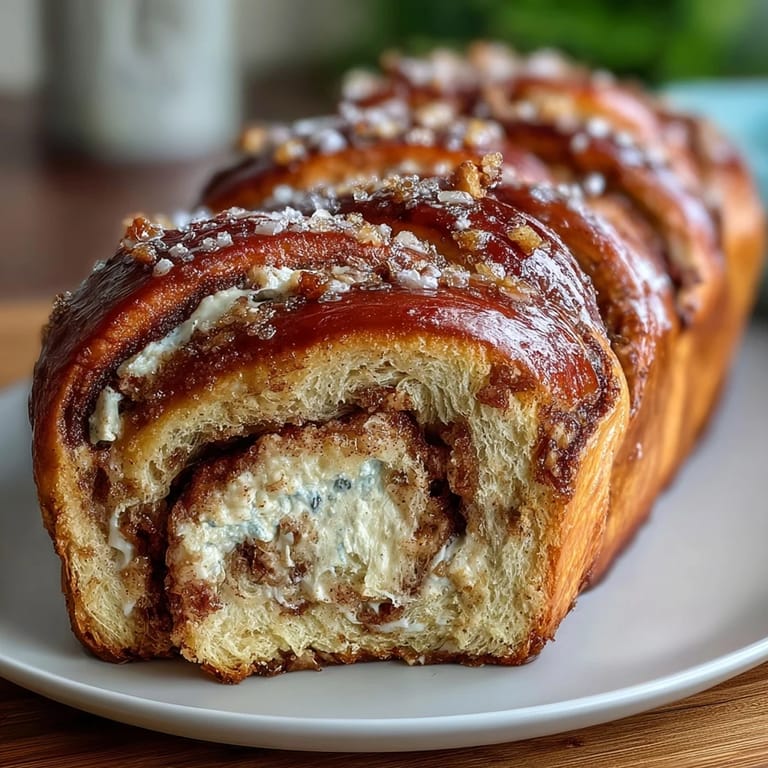
I brought this to a Sunday morning breakfast last February, and watching someone twist a piece open to find those hidden cream cheese pockets made me understand why babka became such a big deal. The bread had cooled just enough to slice cleanly, and those purple and green sugars caught the winter light like edible confetti. One of my friends literally gasped, which might sound silly, but it's the kind of moment that reminds you why baking from scratch actually matters.
Ingredients
- All-purpose flour (3 1/4 cups): The structure of everything—use it fresh from the bag, not packed down, so your measurements stay honest.
- Instant yeast (2 1/4 tsp): Don't skip checking the expiration date; old yeast means a loaf that refuses to rise, and trust me, that's disappointing.
- Whole milk, lukewarm (2/3 cup): Too hot and you'll kill the yeast, too cold and the dough stays sluggish, so aim for around 110°F if you're being precise.
- Unsalted butter (1/3 cup plus 1/4 cup): Softened, not melted—it needs to blend into the dough and fillings without turning everything greasy.
- Large eggs, room temperature (2): They mix in more smoothly this way and help the dough stay tender rather than tough.
- Cream cheese (4 oz): Softened so it spreads easily without tearing the dough beneath it, and skip the whipped kind here.
- Brown sugar and cinnamon (1/2 cup and 2 tsp): These are your soul fillings—this is where the babka magic lives, so don't be shy with either one.
- Powdered sugar (1 cup): Mixed with just enough milk to drape smoothly without running off the sides.
- Sanding sugars in purple, green, and gold: These stick to the glaze while it's still wet and hold that Mardi Gras celebration vibe even weeks later when you're just eating leftover slices in your kitchen.
Tired of Takeout? 🥡
Get 10 meals you can make faster than delivery arrives. Seriously.
One email. No spam. Unsubscribe anytime.
Instructions
- Build your dough base:
- In a stand mixer or large bowl, whisk together flour, sugar, yeast, and salt so the yeast is evenly distributed. Warm milk should feel pleasant on your wrist—not hot—before you whisk it with room-temperature eggs and vanilla, then add that wet mixture to the dry ingredients and let them know each other for a minute or two.
- Knead until smooth:
- Once combined, add softened butter piece by piece and beat the dough for 8–10 minutes until it's smooth, elastic, and comes away from the bowl sides cleanly. You'll feel it transform under the mixer paddle from shaggy and hesitant to confident and supple.
- First rise:
- Transfer to a greased bowl, cover loosely with plastic wrap or a damp towel, and let it sit in a warm, draft-free spot until it's roughly doubled in size—about 1 to 1.5 hours depending on how warm your kitchen is. A sunny windowsill works beautifully, or your oven with the light on.
- Prepare both fillings:
- While dough rises, stir brown sugar and cinnamon together, then blend in softened butter until you have a thick, spreadable paste. In another bowl, beat cream cheese with sugar and vanilla until it's smooth and cloud-like.
- Roll and layer:
- Punch down the risen dough gently—no need to deflate it completely—then roll it out on a lightly floured surface into a rectangle about 16 by 12 inches. Spread the cream cheese mixture across the surface, leaving a half-inch border so it won't squeeze out when you roll.
- Add the cinnamon swirl:
- Spread the cinnamon-butter filling evenly over the cream cheese layer, all the way to the edges you left bare. This double-filling approach is what makes the babka special, so take a moment to get it distributed.
- Roll and twist:
- Starting from one of the long sides, roll the dough toward you into a tight log, pressing gently as you go so layers stay together. Once rolled, slice it lengthwise down the middle with a sharp knife, then twist the two strands around each other keeping those beautiful cut sides facing up, and coil it into a spiral that fits your loaf pan.
- Second rise:
- Place the twisted loaf into a greased 9-by-5-inch loaf pan, cover with plastic wrap or a towel, and let it rise again until puffy and relaxed, about 45 minutes. It should look like it wants to bake right now.
- Bake until golden:
- Preheat your oven to 350°F, then slide the loaf in and bake for 35–40 minutes until it's deep golden brown and a toothpick comes out clean. If the top is browning too fast, drape a piece of foil loosely over it halfway through.
- Cool and glaze:
- Let the loaf sit in the pan for 15 minutes—this lets the structure set—then turn it out onto a cooling rack. Once it's completely cool, whisk powdered sugar with milk until you get a glaze thick enough to cling to the bread without sliding off.
- Decorate with celebration:
- Drizzle that glaze over the cooled loaf in loose waves or straight lines, then immediately sprinkle purple, green, and gold sanding sugars over the wet glaze so they stick. If you're including a King Cake baby or almond for tradition, nestle it into the bread just before serving.
 Save
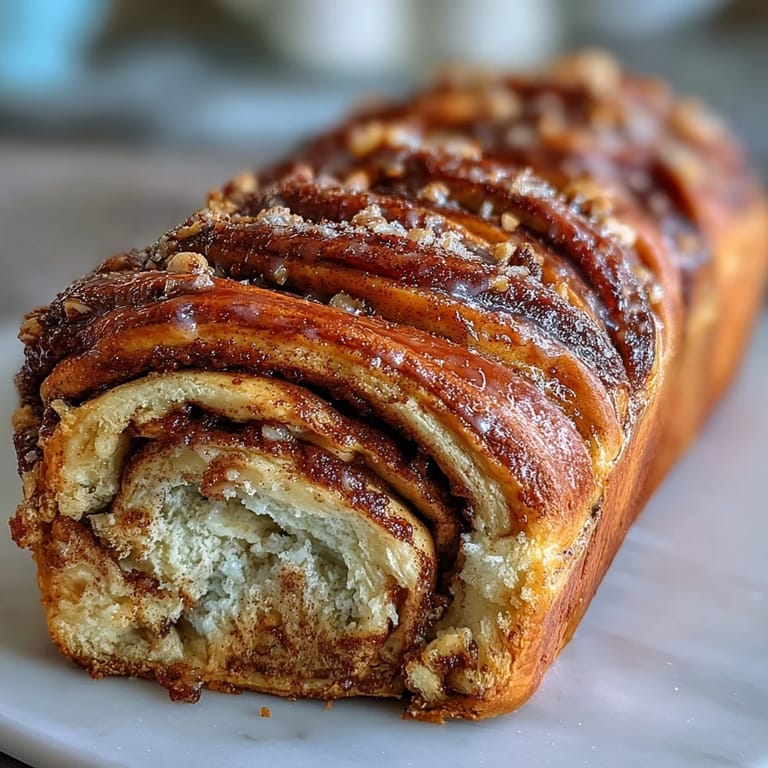
Save Last year, I sliced into this bread at a Mardi Gras dinner party and one person actually held their piece up to the light to see all the layers, like they were examining stained glass. That's the moment I realized this isn't just breakfast bread—it's the kind of thing that becomes a memory for people who eat it.
Why This Hybrid Works So Well
Babka is basically yeasted dough that's been laminated with filling and twisted for visual drama, which means it has this built-in elegance that King Cake doesn't usually offer. By combining that technique with the colors and spirit of Mardi Gras, you get something that's showstopping but also deeply rooted in traditions that actually matter. The cream cheese adds a subtle tang that cuts through the cinnamon sweetness and keeps the whole thing from feeling one-dimensional, which is a trick I learned by accident when I ran out of plain butter one afternoon.
Timing and Make-Ahead Options
You can make this in one long afternoon, or you can split it across two days by doing the first rise and then punching down the dough and refrigerating it overnight, which actually improves the flavor. The second morning, pull it out, let it come to room temperature, shape it, let it rise again, and bake. Even fully baked and cooled, this bread stays moist for three days in an airtight container, though honestly it rarely lasts that long in my house.
Flavor Variations That Feel Natural
I've been experimenting with additions that don't overwhelm the core bread: a little orange zest folded into the dough brightens everything without announcing itself, and if you swap mascarpone for cream cheese, the filling becomes even richer and more elegant. Some people toast chopped pecans or walnuts into the cinnamon layer, which adds texture without changing the spirit of the thing. You can also swap vanilla extract for almond or even add a tiny pinch of cardamom to the cinnamon filling if you want to get creative, but the base recipe is honestly perfect as written.
- Try rubbing orange zest into the sugar before mixing the dough for a subtle citrus undertone.
- If you're decorating for a specific occasion other than Mardi Gras, use any colors that match the mood—gold and silver for New Year's, red and white for Valentine's Day, or keep it classic with just white sanding sugar.
- Cream cheese or mascarpone are your main fillings, but if you're out of either, whipped ricotta mixed with powdered sugar works beautifully.
 Save
Save This bread has become my answer to anyone who thinks homemade yeast baking is out of reach, because it's genuinely not—it just takes patience and the willingness to let time do most of the work. Make it once and you'll understand why people queue up for babka at fancy bakeries.
Recipe FAQs
- → What type of flour works best for the dough?
All-purpose flour provides the right balance to create a tender yet structured dough ideal for layering.
- → Can the cream cheese filling be substituted?
Yes, mascarpone can be used instead for a richer, slightly tangier filling profile.
- → How do I prevent the loaf from burning during baking?
If it browns too quickly, tent the loaf with foil halfway through baking to ensure even cooking.
- → What is the best way to achieve vibrant glaze colors?
Use colored sanding sugars applied after glazing for bright, festive decoration without sogginess.
- → How long does the loaf stay fresh?
Store in an airtight container at room temperature for up to three days to maintain softness and flavor.