 Save
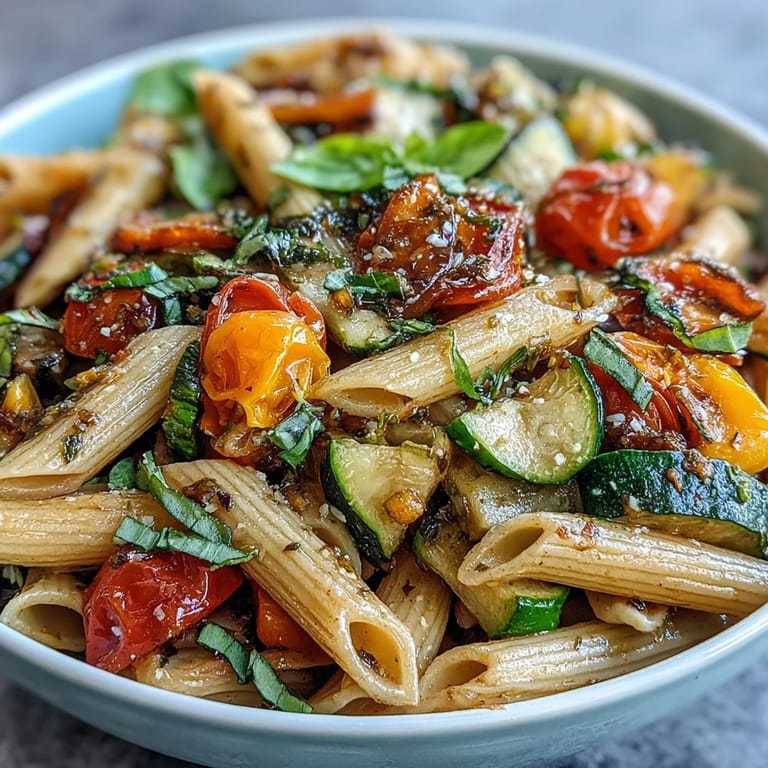
Save There's something magical about the moment when everything stops sizzling and you realize a single pot has just delivered an entire meal. I discovered this pasta while experimenting with what felt like random vegetables one Tuesday evening, frustrated that my usual go-to recipes required too many dishes. The kitchen smelled incredible within minutes—garlic, lemon, and fresh basil filling the air—and by the time I tasted it, I understood why this had to become my regular rotation.
I made this for my neighbor who'd just gone vegan, and I was genuinely nervous about whether it would taste like real food or feel like a compromise. She asked for seconds immediately and wanted the recipe written down before she left. That moment shifted something for me about what plant-based cooking could be.
Ingredients
- 340 g (12 oz) dried penne or fusilli: Choose a shape with texture so the broth clings to every piece; twisted shapes hold sauce better than smooth tubes.
- 1 small red onion, thinly sliced: Red onion adds sweetness and visual pop where white would disappear into the pot.
- 2 cloves garlic, minced: Don't skip the mincing step—garlic needs surface area to perfume the entire dish without tasting harsh.
- 1 small red bell pepper and 1 small yellow bell pepper, sliced: Different colors mean different ripeness levels and subtle flavor variations that layer beautifully together.
- 1 medium zucchini, sliced into half-moons: Half-moons cook evenly and won't break apart the way chunks might during stirring.
- 1 cup (150 g) cherry tomatoes, halved: These burst slightly during cooking, releasing their juice into the broth naturally.
- 1 cup (120 g) snap peas or green beans, trimmed: The crunch they maintain adds textural contrast that makes each bite feel fresher.
- 1 cup (100 g) broccoli florets: Smaller florets distribute evenly throughout the pot and cook at the same pace as pasta.
- 900 ml (4 cups) low-sodium vegetable broth: Low-sodium lets you control the salt and prevents the dish from tasting salty by the end of cooking.
- 2 tbsp extra-virgin olive oil: This toasts the onions and garlic before everything else goes in, building flavor from the start.
- 1 tsp sea salt and ½ tsp freshly ground black pepper: Taste as you go because vegetables release moisture that dilutes seasoning.
- Pinch of red pepper flakes (optional): A whisper of heat wakes up all the other flavors without overpowering them.
- Zest and juice of 1 lemon: The zest goes in at the very end to preserve its brightness and aromatic oils.
- ½ cup (15 g) fresh basil leaves, torn: Tear by hand rather than chopping so the leaves don't blacken from a knife's edge.
- 2 tbsp nutritional yeast (optional, for a cheesy flavor): This creates umami and a subtle nuttiness that mimics parmesan without any dairy.
Tired of Takeout? 🥡
Get 10 meals you can make faster than delivery arrives. Seriously.
One email. No spam. Unsubscribe anytime.
Instructions
- Toast your aromatics in the empty pot:
- Heat olive oil over medium heat, then add your red onion and garlic. You're listening for the sizzle to settle into a gentle murmur, watching until the onion turns translucent and the garlic smells fragrant but not brown—this takes about 2 to 3 minutes and sets the foundation for everything else.
- Build your vegetable base:
- Add bell peppers, zucchini, cherry tomatoes, snap peas, and broccoli all at once. Let them sauté for 3 to 4 minutes, stirring occasionally, until they soften slightly and their edges begin to caramelize where they touch the hot pot.
- Combine pasta with broth and seasonings:
- Pour in the dried pasta, vegetable broth, salt, pepper, and red pepper flakes if you're using them. Stir everything together so the pasta is completely submerged and nothing sticks to the bottom of the pot.
- Simmer until pasta is tender:
- Bring the liquid to a boil over high heat, then immediately lower the heat to a gentle simmer. Cook uncovered for 10 to 12 minutes, stirring frequently—you're watching for the moment when the pasta reaches al dente and the liquid has mostly absorbed into the pasta, leaving just a bit of silky sauce clinging to everything.
- Finish with brightness:
- Turn off the heat and stir in your lemon zest, lemon juice, torn basil, and nutritional yeast if using. Taste it now and adjust salt and pepper because the flavors will feel completely different from when you started.
- Plate and enjoy:
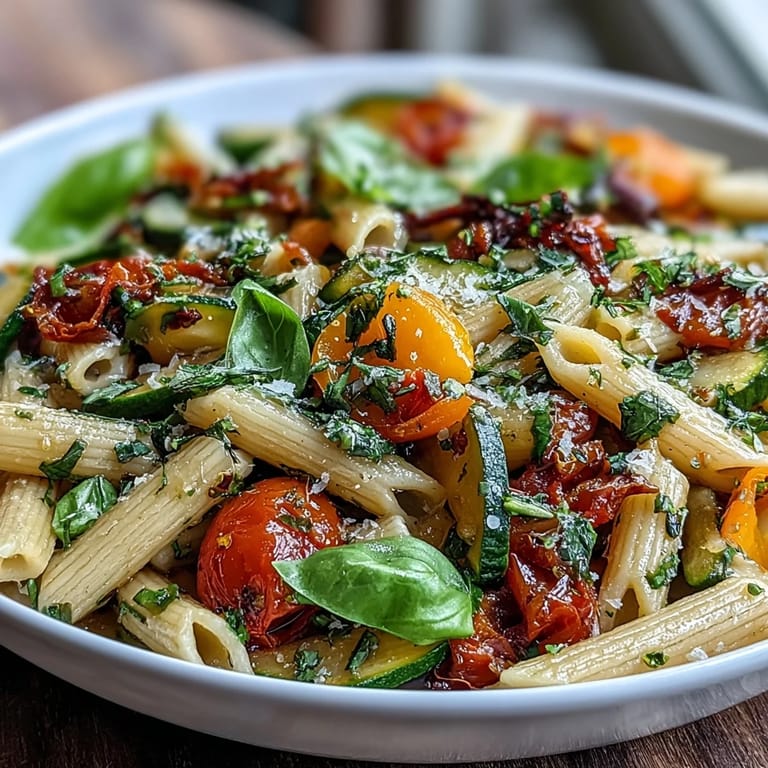
- Serve immediately while everything is warm, with extra basil leaves scattered on top and a final drizzle of olive oil if you'd like richness.
 Save
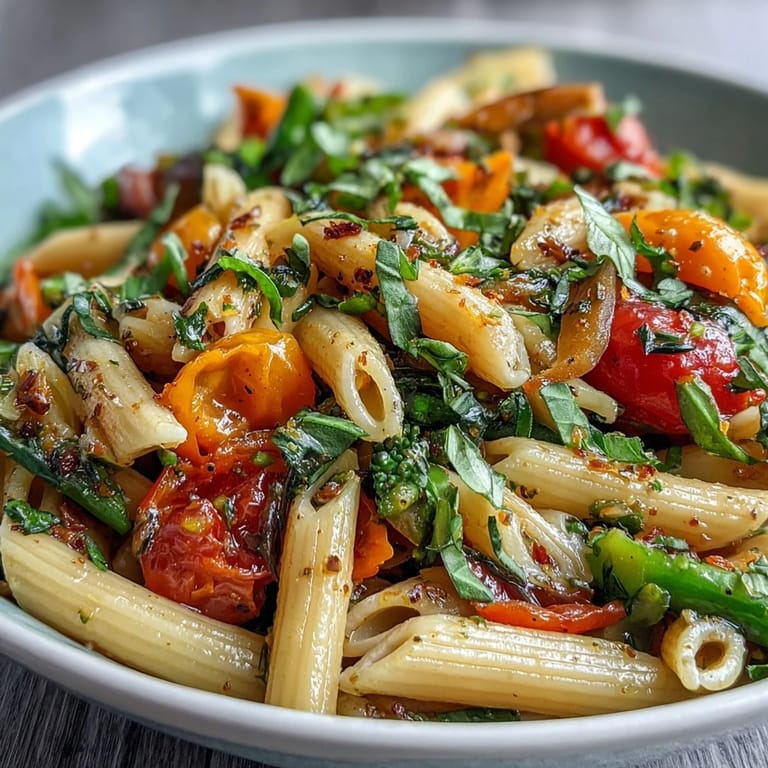
Save This dish taught me that vegan cooking isn't about replacing what's missing—it's about celebrating what's there. That Tuesday evening pasta wasn't a sad salad with noodles; it was vibrant and complete and honest.
Why This Works as a One-Pot Meal
Cooking pasta directly in broth instead of salted water means the starch releases from the pasta and thickens the liquid into something closer to sauce. The vegetables release their own moisture as they cook, which further seasons the broth and creates a silky texture without any cream. By the time everything is done, you've got a cohesive dish where each component has flavored everything else.
Variations That Keep Things Interesting
The vegetable list is flexible because what matters is having about 4 cups of mixed vegetables total. In spring I add fresh peas and asparagus, in summer I use more tomatoes and zucchini, and in fall I've thrown in diced sweet potato and kale. The pasta shape matters less than the size—anything from rigatoni to small shells works if you think about how sauce will cling to it.
Making It Truly Your Own
The moment you realize you can taste this as you cook and adjust it in real time is when this recipe becomes yours rather than just something you're following. If it tastes too brothy, let it simmer longer and more liquid will absorb. If it feels too thick, add a splash of broth and stir gently. If the lemon feels too sharp, add more basil to round it out.
- Keep extra vegetable broth on hand in case you need to add more liquid during cooking.
- Taste the pasta 30 seconds before you think it's done so you can pull it at exactly the right moment.
- Make sure your basil is truly fresh—wilted basil will taste musty and ruin the brightness you've been building.
 Save
Save This is the kind of recipe that makes you feel like you've cooked something substantial and nourishing in half an hour flat. Serve it warm and watch people ask for seconds.
Recipe FAQs
- → What type of pasta is best for this dish?
Dried penne or fusilli work well as they hold sauces and cook evenly in one pot. Gluten-free alternatives can be used if needed.
- → Can I use fresh vegetables other than those listed?
Yes, seasonal vegetables like asparagus, peas, or spinach are excellent substitutes or additions for varied flavors and textures.
- → How does cooking everything in one pot affect the flavor?
Cooking all ingredients together allows flavors to meld deeply, with the pasta absorbing the seasoned broth and vegetable juices creating a rich, unified taste.
- → What is the role of lemon in the dish?
Lemon zest and juice add brightness and acidity that balance the earthiness of the vegetables and enhance the fresh basil aroma.
- → How can I add a cheesy flavor without dairy?
Nutritional yeast provides a subtle cheesy, nutty flavor that complements the dish while keeping it vegan and dairy-free.