 Save
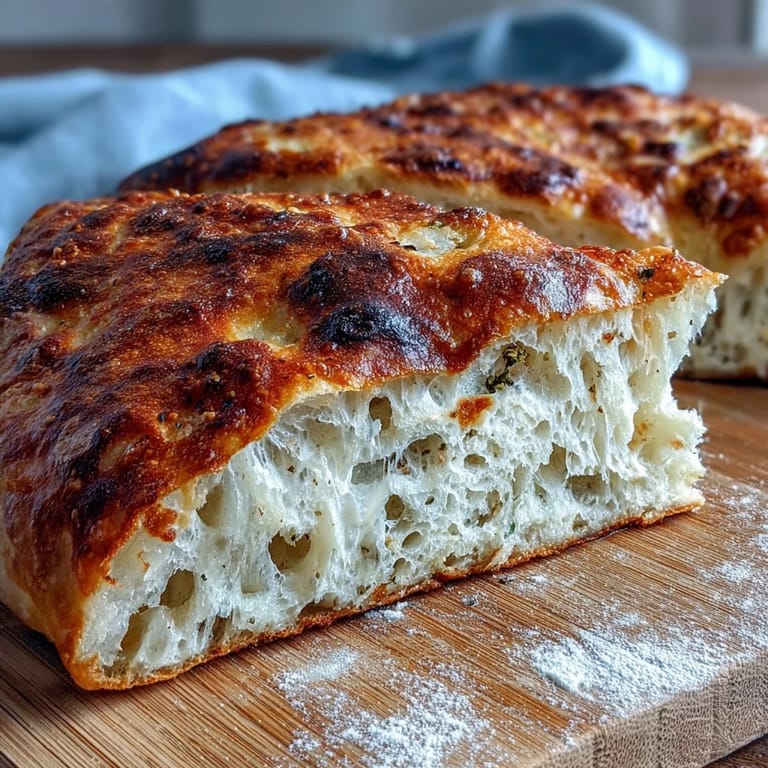
Save There is something deeply satisfying about making pizza dough from scratch—especially when that dough is alive. Sourdough pizza dough carries with it the gentle tang of fermentation, the chew of well-developed gluten, and a crust that blisters and chars in the oven like something you'd pull from a wood-fired hearth in Naples. This recipe transforms just five simple ingredients—bread flour, water, an active sourdough starter, fine sea salt, and a touch of olive oil—into two large, artisan-style pizza bases that will redefine your Friday night. It takes patience, yes, but the result is a dough that tastes as though it has been made with years of tradition behind it.
Save The secret to extraordinary sourdough pizza dough lies in time and technique. The autolyse rest—that quiet 30 minutes after combining flour and water—allows the flour to fully hydrate and the gluten to begin organizing itself without any effort on your part. When the starter and salt join the party, fermentation ignites, and over the following hours the dough grows, bubbles, and develops flavor that is impossible to rush. Whether you choose to knead the dough in a stand mixer or practice the meditative stretch-and-fold method, you are building a structure that will reward you with an open, airy crumb and a crust that holds its own beneath any topping you choose to pile on. This is pizza-making as it was always meant to be.
Ingredients
Tired of Takeout? 🥡
Get 10 meals you can make faster than delivery arrives. Seriously.
One email. No spam. Unsubscribe anytime.
- 500 g bread flour (3 ⅓ cups)
- 325 g water, at room temperature (1 ⅓ cups plus 1 tablespoon)
- 100 g active sourdough starter (about ½ cup)
- 12 g fine sea salt (2 teaspoons)
- 15 g olive oil (1 tablespoon, optional for a softer dough)
Instructions
- Step 1 – Autolyse
- In a large mixing bowl, combine the bread flour and water. Stir until just combined. Cover and let rest for 30 minutes (autolyse).
- Step 2 – Add Starter and Salt
- Add the sourdough starter and salt (plus olive oil, if using). Mix by hand or with a stand mixer until a sticky dough forms.
- Step 3 – Develop the Gluten
- Knead the dough for 5–7 minutes until smooth and elastic, or use the stretch-and-fold technique every 30 minutes for 2 hours (4 folds total).
- Step 4 – Bulk Fermentation
- Cover the bowl and let the dough rise at room temperature for 6–8 hours, or until doubled in size and bubbly.
- Step 5 – Divide and Shape
- Turn the dough onto a lightly floured surface. Divide in half for two large pizzas. Shape each piece into a tight ball.
- Step 6 – Final Rest or Cold Ferment
- Place the dough balls on a tray, cover, and let rest for 1–2 hours at room temperature, or cold ferment in the refrigerator for up to 24 hours for deeper flavor.
- Step 7 – Preheat the Oven
- When ready to bake, preheat your oven to the highest temperature (ideally 475–500°F / 250–260°C) with a pizza stone or steel inside.
- Step 8 – Stretch and Top
- Stretch each dough ball into a 12-inch (30 cm) round. Add your favorite toppings.
- Step 9 – Bake
- Transfer to the hot stone or steel and bake for 10–15 minutes, or until the crust is puffed and golden with crisp edges.
Zusatztipps für die Zubereitung
Achte darauf, dass dein Sauerteigstarter wirklich aktiv und sprudelnd ist, bevor du mit dem Teig beginnst—nur ein lebendiger Starter liefert den gewünschten Trieb und das charakteristische Aroma. Wenn du kein Brotmehl zur Hand hast, funktioniert auch Allzweckmehl, allerdings wird die Kruste etwas weicher ausfallen. Die Kaltkaltgare im Kühlschrank für bis zu 48 Stunden intensiviert den Geschmack erheblich und macht den Teig gleichzeitig leichter verarbeitbar, da das Gluten entspannen kann. Nutze eine Küchenwaage für präzise Messungen—bei Brotbacken und Pizzateig ist Genauigkeit entscheidend. Ein Teigschaber erleichtert das Portionieren und Formen der Teigkugeln erheblich.
Varianten und Anpassungen
Die Grundformel dieses Sauerteig-Pizzateigs lässt sich auf vielfältige Weise anpassen. Wer eine besonders weiche Krume bevorzugt, gibt die optionalen 15 g Olivenöl beim Mischen hinzu—das Fett unterbricht leicht die Glutenstruktur und erzeugt eine zartere Textur. Für eine intensivere Fermentationsnote empfiehlt sich eine längere Kaltgare von bis zu 48 Stunden im Kühlschrank. Wer den Teig auf mehrere Tage verteilen möchte, kann die Teigkugeln nach dem Formen gut abgedeckt bis zu 24 Stunden kühlen und so frische Pizza-Abende flexibel einplanen. Die Menge lässt sich zudem einfach halbieren, um nur eine große Pizza zu backen, oder verdoppeln, um eine größere Gruppe zu bewirten.
Serviervorschläge
Sourdough-Pizzateig harmoniert wunderbar mit klassischen Belägen wie frischer Mozzarella und Basilikum, aber auch mit kräftigeren Kombinationen aus Rucola, Parmesan und Prosciutto. Serviere die frisch gebackene Pizza direkt vom heißen Stein auf einem Holzbrett und schneide sie mit einem scharfen Pizzaroller. Als Getränkebegleitung empfiehlt sich ein leichter italienischer Rotwein oder ein kühles, knackiges Lagerbier, das die Aromen der Sauerteigkruste wunderbar ergänzt. Runde das Menü mit einem einfachen grünen Salat ab, um die herzhafte Pizza frisch zu konterkarieren.
 Save
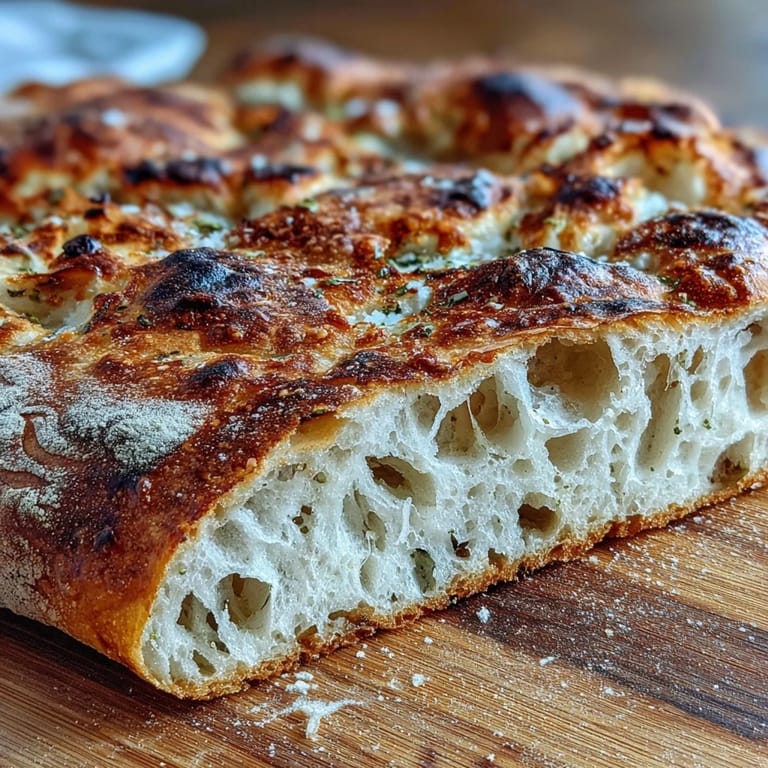
Save Making sourdough pizza dough at home is an invitation to slow down and reconnect with one of the oldest culinary traditions in the world. From the moment you combine flour and water and watch the autolyse work its quiet magic, to the satisfying moment you slide a perfectly stretched, generously topped round onto a blazing-hot stone, every step is a small act of craft. The resulting pizza—with its golden, blistered crust, chewy interior, and gentle sour complexity—is worth every hour of patient fermentation. Serve it straight from the oven, gather your people around the table, and enjoy the very best version of homemade pizza you have ever tasted.
Recipe FAQs
- → What is the best flour for this dough?
Bread flour is preferred for strength and gluten development, but all-purpose flour is an acceptable alternative for a softer crust.
- → How long should the dough rise?
The dough rises at room temperature for 6–8 hours until doubled and bubbly, with an optional cold ferment up to 48 hours for enhanced flavor.
- → Why is autolyse important?
Autolyse hydrates flour, improving dough extensibility and gluten formation for a tender yet elastic crust.
- → Can olive oil be omitted?
Yes, olive oil is optional and adds softness to the dough but can be skipped without compromising structure.
- → What baking temperature is recommended?
Preheat the oven to 475–500°F (250–260°C) with a pizza stone or steel to achieve a crisp, golden crust.