 Save
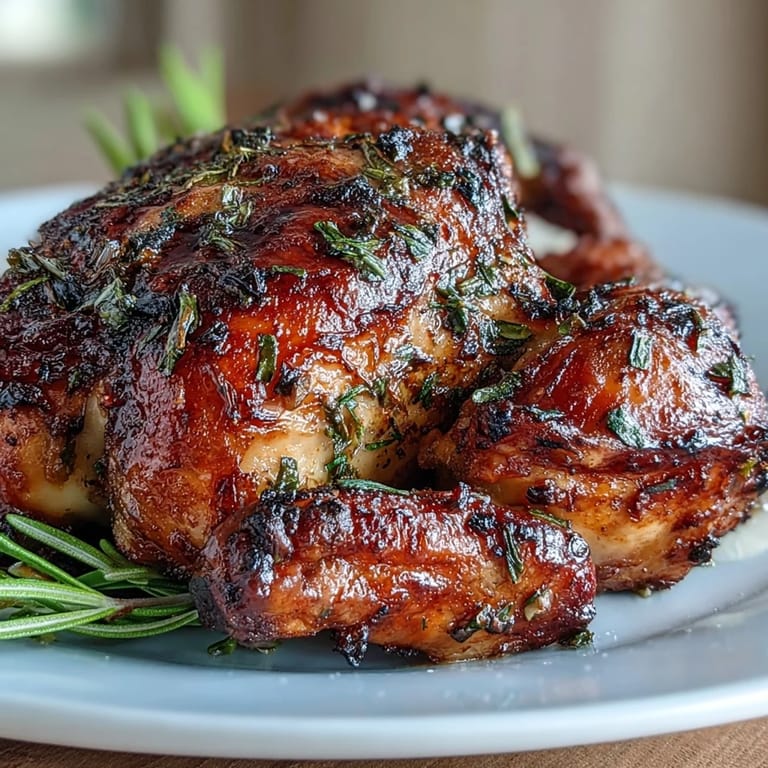
Save My neighbor showed up one autumn evening with three oranges from her garden and a knowing smile, saying I'd been making roasted chicken all wrong. She was right—that first time I tucked citrus under the skin and let the oven work its magic, the kitchen filled with this warm, herbaceous fog that made everything else I'd cooked taste forgettable. Now whenever I need comfort food that feels both effortless and impressive, this is what comes to mind.
I made this for my sister's birthday dinner last spring, and watching everyone go quiet for those first few bites told me everything. She'd been stressed about work, and somehow a whole roasted chicken with caramelized vegetables became this moment where we all just sat together without checking our phones. That's when I understood this dish isn't really about technique—it's about creating space for people to breathe.
Ingredients
- 1 whole chicken (about 1.5 kg / 3.3 lbs): Choose one that feels substantial in your hands, not scrawny—the meat-to-bone ratio makes all the difference for staying moist during the long roast.
- 2 oranges (zested and juiced): Fresh citrus is non-negotiable here; bottled juice won't give you those bright, volatile oils that make the skin crackle.
- 3 tbsp olive oil: Good olive oil carries flavor better than vegetable oil, and your marinade needs that richness to cling to the chicken.
- 4 garlic cloves (minced): Don't use a garlic press—the rough mincing releases oils more gradually, which means deeper flavor distribution.
- 2 tbsp fresh rosemary (chopped): Strip the leaves from woody stems; those stems are beautiful but bitter, and you want herbaceous, not punishing.
- 1 tbsp fresh thyme leaves: This is the subtle backbone that stops the orange from being too loud and one-note.
- 1 tbsp fresh parsley (chopped): A small amount keeps things bright without adding thickness to your marinade.
- Salt and black pepper: Season generously, knowing the chicken will need it more than you'd initially think.
- Carrots, parsnips, potatoes, red onion, sweet potato: Cut everything roughly the same size so they roast evenly—no burnt edges next to raw centers.
Tired of Takeout? 🥡
Get 10 meals you can make faster than delivery arrives. Seriously.
One email. No spam. Unsubscribe anytime.
Instructions
- Get your oven ready:
- Preheat to 400°F and give it time to actually reach that temperature—don't rush this step. A cold oven means pale skin instead of that mahogany-brown finish you're after.
- Mix the magic:
- Combine your orange zest, juice, olive oil, minced garlic, and all those herbs in a small bowl, stirring until it looks like a loose paste with flecks of green throughout. Taste it—it should make your mouth water immediately.
- Dry and dress the chicken:
- Paper towels are essential here; moisture is the enemy of crispy skin. Rub half the marinade all over the bird, and if you're patient enough, gently lift the skin from the breast and thighs to work marinade underneath where it'll actually infuse the meat. Stuff the cavity with orange peels and herb sprigs if you're feeling it.
- Build your vegetable bed:
- Toss all your cut vegetables with the remaining marinade in your roasting pan, spreading them into an even layer. This becomes both your chicken's bed and its sauce—don't skip this step by roasting everything separately.
- Position and roast:
- Place the chicken breast-side up on top of the vegetables and slide the whole pan into that hot oven. At the halfway point (around 40 minutes), grab a basting brush or just tilt the pan and spoon those caramelized juices back over the chicken skin.
- Know when it's done:
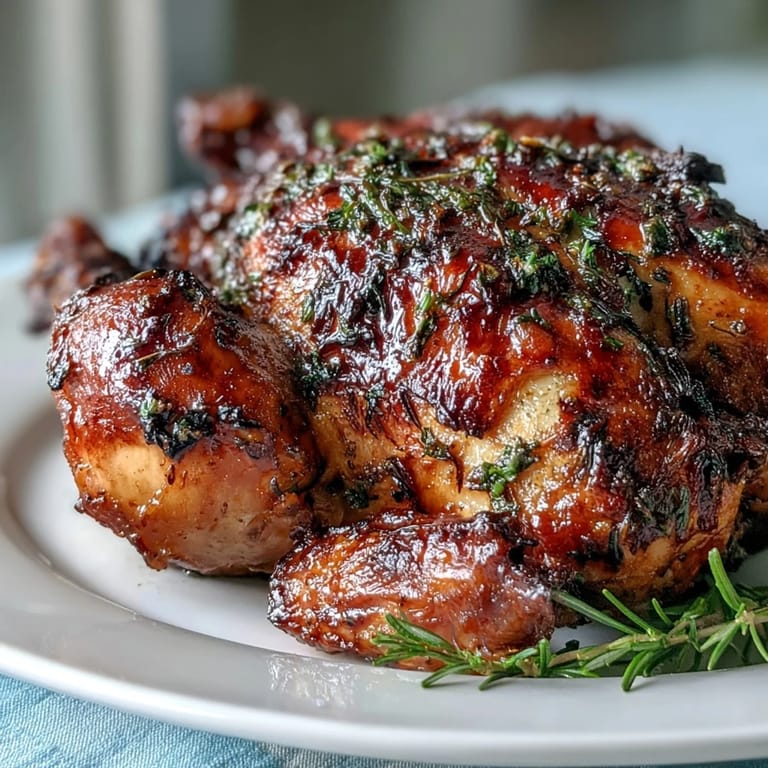
- A meat thermometer in the thickest part of the thigh should read 165°F—this is your friend, not overthinking. The skin should be deep golden brown, not pale or burnt.
- Rest and serve:
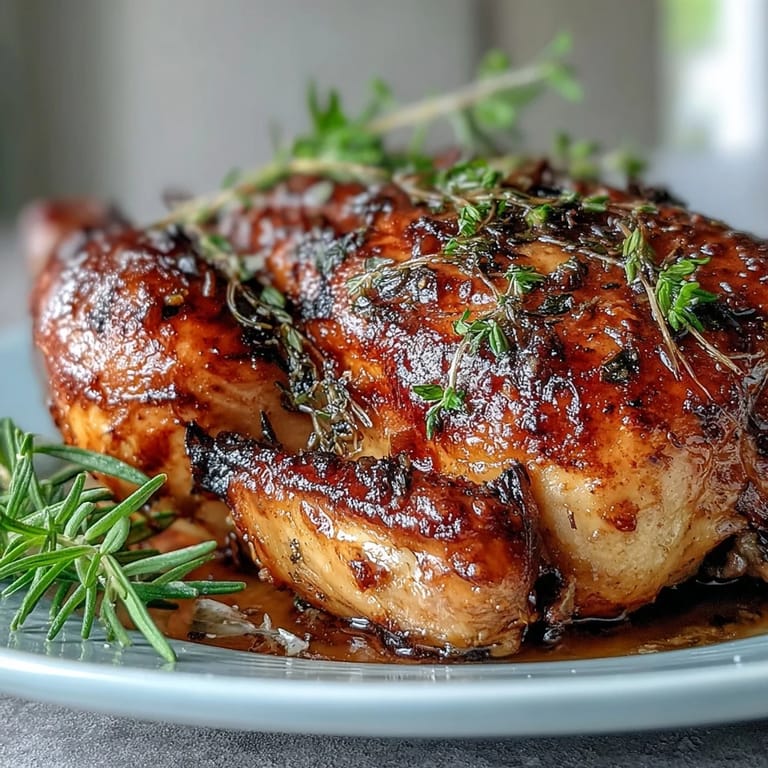
- Tent loosely with foil and let it sit for 10 minutes; this sounds like wasted time but it actually redistributes the juices instead of pouring them onto your plate. Carve, pile those tender vegetables alongside, and finish with fresh herb sprigs and orange slices if the mood strikes.
 Save
Save I once made this for a potluck where I was nervous about my contribution, and someone asked for the recipe before they'd even finished chewing. That small validation meant more than it should have, but it also made me realize that food made with actual attention and care reads on people's faces—they taste the difference between effort and indifference.
Why Fresh Herbs Actually Matter Here
Dried herbs would turn this into something flatter and one-dimensional, while fresh rosemary, thyme, and parsley bring these little bright moments that keep each bite interesting. The herbs also brighten as they roast, rather than becoming dusty or muted. If you only have dried herbs available, use about one-third the amount and make peace with a slightly different (but still solid) outcome.
The Root Vegetable Ratio
The vegetables aren't just sides here—they're equal players that soak up all the herbal, citrus goodness from roasting. If you hate parsnips, swap them for more carrots or add turnips; if sweet potato isn't your thing, use regular potatoes or leave it out entirely. The point is building a variety of textures that go from firm to tender as they roast, so you get some caramelization on the edges without things falling apart.
Temperature, Timing, and Flexibility
This recipe works best at 400°F, but if your oven runs hot or cool, adjust by 25 degrees and trust your meat thermometer more than the clock. Some people add a tablespoon of honey to the marinade for deeper color and subtle sweetness, which is quietly brilliant if you're into that balance. A dry Riesling or light Chardonnay will taste clean alongside this, cutting through the richness without competing.
- If your chicken is larger than 1.5 kg, add 15 minutes per extra 500g and keep checking that thermometer.
- Leftover chicken makes incredible sandwiches the next day, and the vegetables reheat beautifully.
- You can prep the marinade and vegetables the night before, then just assemble and roast when you're ready to eat.
 Save
Save Cooking this dish has taught me that the best meals aren't about complexity—they're about respecting your ingredients and giving them time to become something greater than themselves. Make this when you want to feel like you're taking care of people, because that's exactly what this chicken does.
Recipe FAQs
- → What type of chicken works best for this dish?
A whole chicken weighing around 1.5 kg provides ideal size for even roasting and allows the marinade flavors to penetrate well.
- → Can I substitute the root vegetables?
Yes, parsnips can be swapped with additional carrots or turnips depending on preference and availability.
- → How do I ensure the chicken stays moist during roasting?
Basting the chicken with its pan juices halfway through cooking helps maintain moisture and develops a golden, crispy skin.
- → Is it necessary to stuff the cavity of the chicken?
Stuffing the cavity with orange peels and herb sprigs adds aromatic flavor but is optional based on taste.
- → What wines pair well with this dish?
Light Chardonnay or dry Riesling complement the citrus and herbal notes beautifully, enhancing the overall flavor experience.