 Save
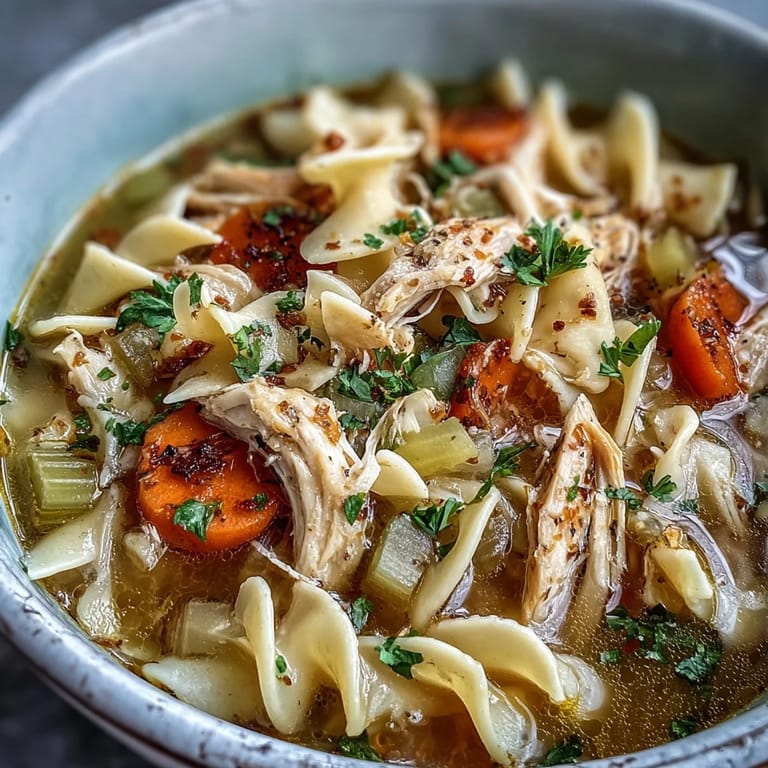
Save My grandmother's kitchen always smelled like this soup simmering on the back burner—that gentle, unhurried warmth that somehow made everything feel manageable. Years later, I realized she wasn't just making lunch; she was teaching me that the best comfort comes from the simplest things: good broth, honest vegetables, and meat so tender it falls apart at the touch of a fork. The first time I made it myself, I was sick and exhausted, and somehow the act of chopping onions and waiting for the pot to bubble felt like taking care of myself. Now it's the soup I turn to when I need to feed people I love or when the world outside feels too harsh.
I made this for my roommate during her first week at a new job, when she came home looking completely deflated by the world. We sat at the kitchen table with two bowls, and by the third spoonful, I watched her shoulders actually relax—not because the soup was fancy, but because it was exactly what she needed without being fussy about it. That's when I understood that this recipe isn't about impressing anyone; it's about showing up with something real.
Ingredients
- Bone-in, skinless chicken thighs or breasts (1 1/2 lbs): Thighs hold more flavor and stay juicy longer, but a mix of both gives you the best of everything—use whichever your market has, or split the difference.
- Low-sodium chicken broth (8 cups): This is your foundation, so taste it before you buy; some brands are saltier than others, and you'll want room to season as you go.
- Yellow onion, carrots, and celery (1 large onion, 3 medium carrots, 2 stalks): These three are the holy trinity that builds flavor from the ground up, so don't skip any of them.
- Garlic cloves (3, minced): Add this after the vegetables soften slightly, so it doesn't burn and turn bitter.
- Bay leaves and dried herbs (2 bay leaves, 1/2 tsp thyme, 1/4 tsp rosemary): Fresh herbs are lovely if you have them, but dried work beautifully here and won't overpower the delicate broth.
- Wide egg noodles (6 oz): The width matters because they hold the broth without falling apart, and they finish cooking in the pot with everything else.
- Fresh parsley and lemon juice (2 tbsp parsley, 1 tbsp lemon juice optional): The parsley is your final brightness, while lemon is the whisper of acid that makes people ask what you did differently.
Tired of Takeout? 🥡
Get 10 meals you can make faster than delivery arrives. Seriously.
One email. No spam. Unsubscribe anytime.
Instructions
- Start with the foundation:
- Place chicken and broth in a large pot and bring to a gentle boil, skimming away any foam that floats to the top—this keeps your broth crystal clear and refined. Don't rush this; a rolling boil will make everything cloudy, so aim for that calm, rolling surface.
- Build the flavor base:
- Add onion, carrots, celery, garlic, bay leaves, thyme, rosemary, salt, and pepper, then lower the heat to a simmer and cover. Let it go undisturbed for 25 to 30 minutes until the chicken is cooked through and the vegetables soften into themselves.
- Transform the chicken:
- Remove the pot from heat and carefully lift the chicken onto a cutting board, then shred it using two forks—pull in opposite directions and the meat will surrender easily. Discard any bones and return the shredded chicken to the pot.
- Bring it back to life:
- Increase the heat to medium-high and bring the soup back to a gentle boil, which wakes up all those flavors you've been building. This is also when you add the egg noodles, stirring occasionally so they don't stick to the bottom.
- Cook the noodles through:
- Let them go for 8 to 10 minutes until they're tender but not mushy—they should still have a whisper of resistance when you bite one. Taste the broth now and adjust salt and pepper to your preference.
- Finish with intention:
- Stir in the fresh parsley and a squeeze of lemon juice if you're using it, then remove the bay leaves by fishing them out with a spoon. Ladle it into bowls while it's steaming, and watch people's faces soften the moment they take the first spoonful.
 Save
Save  Save
Save My neighbor brought this soup when my dad was in the hospital, and I remember my family passing it around in paper cups in the waiting room—something so gentle and nourishing that it felt like a prayer someone had made edible. That's the moment I realized this recipe carries more than just ingredients; it carries the ability to show someone they're not alone.
The Secret to Tender Chicken
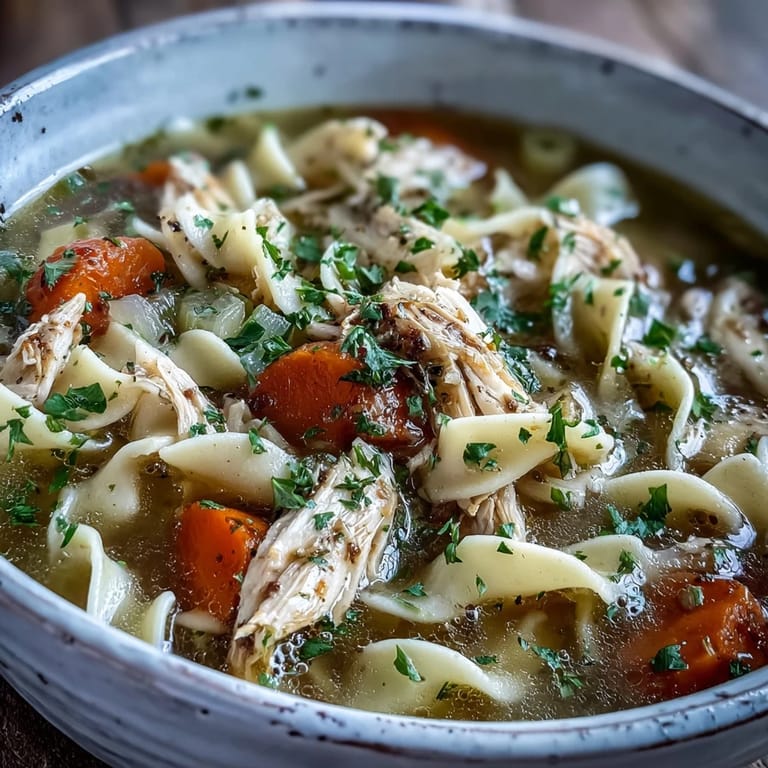
Bone-in chicken stays moist because the bones conduct heat more gently and slowly than boneless meat, which is why thighs are especially forgiving if you accidentally simmer a few minutes too long. I learned this the hard way by overcooking boneless breasts until they turned into rubber, then switching to thighs and suddenly becoming a genius overnight. The meat practically dissolves when you touch it with a fork, which is exactly what you want in soup.
Why This Soup Gets Better with Time
Soups are patient teachers—they understand that flavors need time to know each other, which is why tomorrow's bowl tastes better than today's, and why the third day is when everything has finally figured itself out. The broth deepens, the noodles soften further without turning to mush, and somehow the chicken flavor becomes more pronounced. This is also why it freezes beautifully; just skip the noodles if you're storing it and add fresh ones when you reheat, so you're not dealing with mush.
Making It Your Own
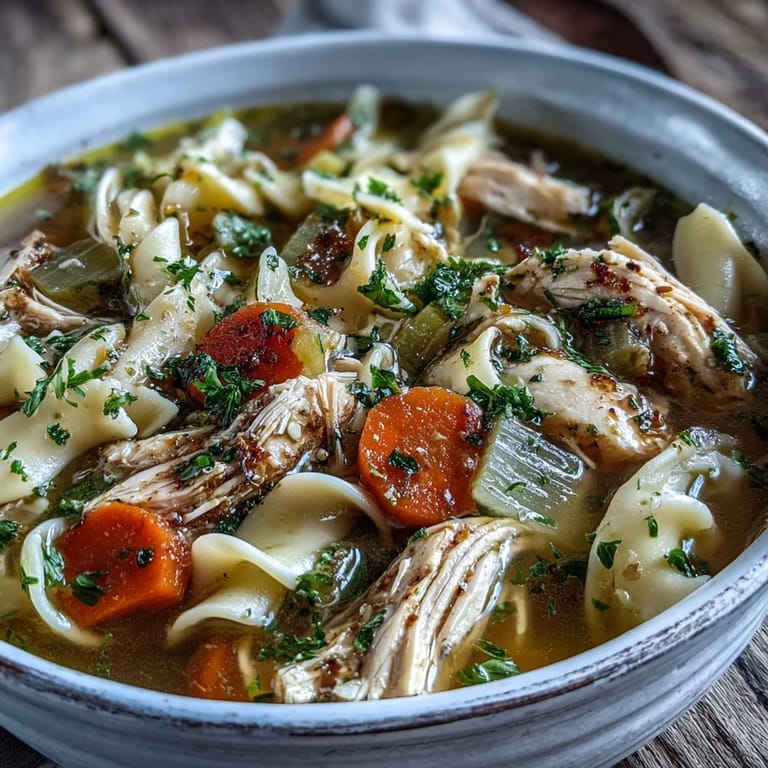
The beauty of this soup is that it's a foundation, not a prison—I've added everything from a handful of spinach to a pinch of chili flakes depending on my mood and what was in my crisper drawer. One winter I threw in diced mushrooms because I was cleaning out the fridge, and it became the version I make most often now. The vegetables can shift with the seasons; swap the carrots for roasted butternut squash or add fresh dill if you're in a different frame of mind.
- A handful of fresh spinach or diced mushrooms stirred in at the very end adds earthiness without weighing things down.
- If you want it slightly heartier, add a diced potato or two along with the other vegetables.
- For a subtle depth, stir in a tablespoon of apple cider vinegar just before serving—it won't taste like vinegar, just brighter.
 Save
Save 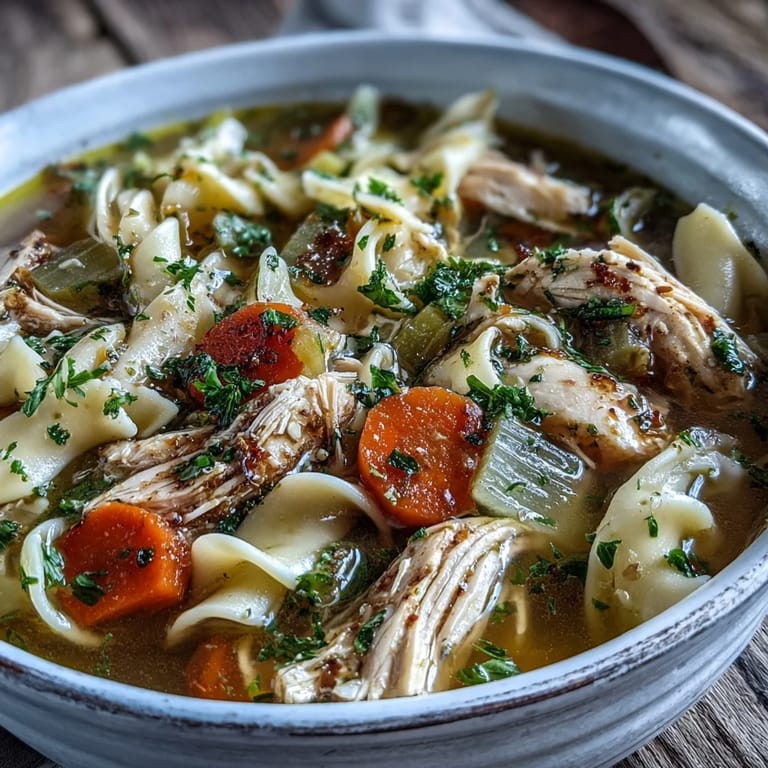 Save
Save This soup has taught me that the kindest meals aren't the complicated ones—they're the ones that taste like someone took time to think about making you feel better. Keep it close to your heart for the days when you need to feed yourself or feed someone else with something real.
Recipe FAQs
- → Can I use chicken breasts instead of thighs?
Yes, you can use chicken breasts or a combination of both. Thighs tend to stay more tender and add richness to the broth, but breasts work well too. Adjust cooking time if needed to ensure chicken is fully cooked through.
- → What type of noodles work best?
Wide egg noodles are traditional and hold up well in the broth. You can substitute with any pasta shape you prefer, or use gluten-free or rice noodles for dietary needs. Adjust cooking time based on package directions.
- → Can I make this soup ahead of time?
Absolutely. Store the soup in the refrigerator for up to 4 days. Note that noodles will absorb broth over time, so you may need to add extra broth when reheating. For best results, cook noodles separately and add when serving.
- → How can I make the broth more flavorful?
Use bone-in chicken for deeper flavor, add more herbs like fresh thyme or parsley stems during simmering, or increase garlic. A splash of white wine or extra lemon juice at the end brightens the flavors beautifully.
- → Can I freeze chicken and noodle soup?
Yes, but freeze the soup without noodles for best texture. Noodles can become mushy when frozen and reheated. Freeze the broth and chicken mixture for up to 3 months, then cook fresh noodles when ready to serve.
- → What vegetables can I add or substitute?
Feel free to add peas, corn, green beans, or spinach. Parsnips can replace some carrots for earthier flavor. Add heartier vegetables at the beginning with other aromatics, and leafy greens just before serving.