 Save
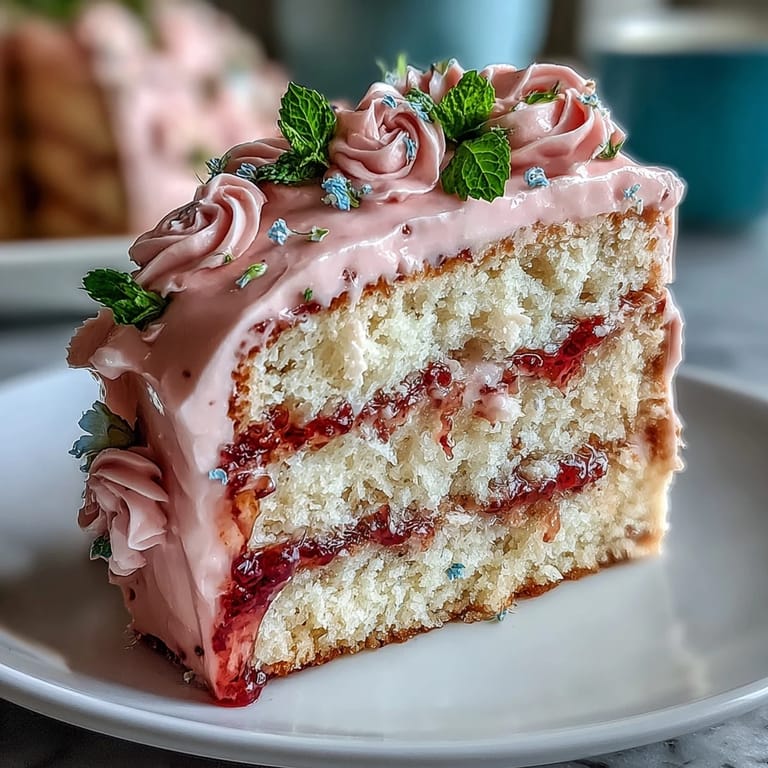
Save My sister texted me three weeks before her birthday with a simple request: make it spring. That year, I'd been experimenting with pastel colors and piping techniques, and something about her timing felt like permission to go all out. The first time I attempted this cake, I was nervous about the layers staying even, but the moment I watched the buttercream transform from plain white to soft lavender and blush pink, I knew this would become her cake forever.
I'll never forget watching my sister's friends gather around the cake at her garden party, all of them making the same sound of delight when they saw those soft floral piped designs. One friend asked if I'd bought it from a bakery, and instead of feeling flattered, I felt something deeper—like I'd made something that mattered. That's when I stopped thinking of this as just a birthday cake and started thinking of it as a way to mark moments that stuck.
Ingredients
- All-purpose flour: The foundation of a tender crumb; measuring by weight rather than volume prevents the cake from becoming dense or dry.
- Baking powder: Use fresh baking powder (check the expiration date) because old leavening won't give you that light, airy rise.
- Salt: Even though it's a pinch, salt deepens the vanilla flavor and balances the sweetness beautifully.
- Unsalted butter, room temperature: Cold butter won't cream properly with the sugar, so let it sit on the counter for about an hour before starting.
- Granulated sugar: This dissolves smoothly into the butter, creating that signature fluffy texture.
- Eggs, room temperature: They incorporate more evenly into the batter and create a more stable emulsion.
- Pure vanilla extract: The real stuff matters here; it adds a subtle warmth that cheap extracts can't replicate.
- Whole milk, room temperature: The temperature matters because cold milk can seize the batter.
- Powdered sugar, sifted: Sifting removes lumps and makes the buttercream silky smooth without grainy texture.
- Gel food coloring: These are far superior to liquid food colorings because they won't thin out your buttercream.
- Edible flower petals and sprinkles: Optional but they catch the light beautifully and add that final spring moment.
Tired of Takeout? 🥡
Get 10 meals you can make faster than delivery arrives. Seriously.
One email. No spam. Unsubscribe anytime.
Instructions
- Prepare your pans and oven:
- Preheat to 350°F and grease those pans generously, then line them with parchment paper. This double layer means your cake edges won't stick, and you'll have an easier time turning them out.
- Whisk the dry ingredients together:
- Combine flour, baking powder, and salt in a medium bowl, whisking for about a minute so the leavening distributes evenly. This prevents dense pockets in your final cake.
- Cream butter and sugar until fluffy:
- This is where patience pays off—beat on medium-high for 3 to 4 minutes until it looks like pale sand and feels almost mousse-like. You're incorporating air, which creates lift.
- Add eggs one at a time:
- Beat well after each egg so they fully incorporate; rushing this step can lead to curdled-looking batter, which affects the final texture.
- Mix in vanilla and alternate wet and dry ingredients:
- Start and end with flour, alternating back and forth; this technique prevents overdeveloping the gluten. Stop mixing the moment you don't see streaks of flour—overmixing creates a tough cake.
- Divide and bake evenly:
- Use a scale or divide visually into three equal portions for even layers. Bake for 25 to 30 minutes until a toothpick comes out clean, watching for the edges to pull slightly from the pan sides.
- Cool with intention:
- Let cakes rest in pans for 10 minutes (they're still cooking slightly), then turn them out onto a wire rack to cool completely. Warm cakes fall apart.
- Make the buttercream:
- Beat the butter until creamy, then gradually add powdered sugar so you don't get a powdered sugar cloud in your kitchen. Add milk, vanilla, and salt, then beat until it holds soft peaks.
- Tint with pastel colors:
- Add gel coloring one tiny dab at a time; it's potent and easy to go too dark. Mix in a separate small bowl so you can see exactly how the color develops.
- Layer and crumb coat:
- Place the first cake layer on your serving plate, spread buttercream, repeat, then give the entire cake a thin base layer of frosting. Chill for 20 minutes so the next layer of buttercream adheres beautifully.
- Decorate with piped florals:
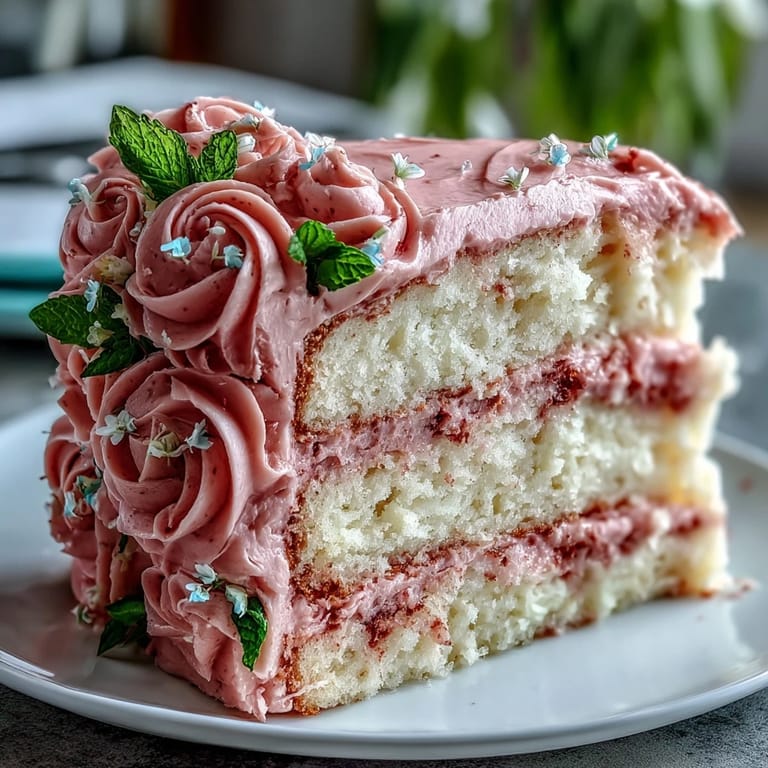
- Fill piping bags with different colored buttercreams and fitted tips, then pipe flowers, leaves, or swirls directly onto the chilled crumb coat. Work in sections so you don't smudge previous designs.
- Final chill and serve:
- A final 15 to 20 minutes in the refrigerator sets the buttercream so it doesn't smudge when you cut into the cake.
 Save
Save There's a moment, usually around 2 a.m. when I'm piping the last rose onto the side of the cake, when I stop thinking about whether it's perfect and start feeling grateful that I learned to make something that makes people pause. It's not about the cake being magazine-worthy; it's about the act of building something gentle and beautiful for someone you care about.
Why Pastel Colors Work So Well
Pastel buttercream is forgiving in a way that bold colors aren't. You can stop adding food coloring whenever you feel like it, and the result always looks sophisticated and spring-appropriate. Soft pink, lavender, pale yellow, and mint green against the pale vanilla cake create this effortless elegance that feels intentional without being fussy. I learned this after trying to make vibrant colors once and ending up with buttercream that looked more like Easter than spring—now I embrace the whisper of color instead of the shout.
The Piping Technique That Actually Works
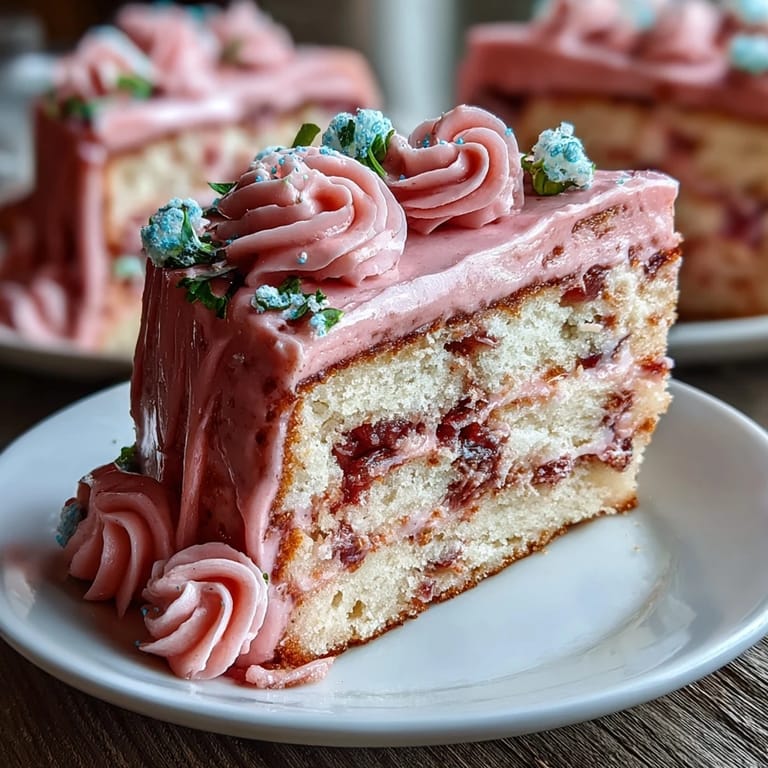
Piping takes practice, but the secret is temperature control and patience. If your buttercream is too soft, it spreads instead of holding shape; if it's too cold, it breaks and looks smudged. I keep mine at a temperature where it holds its shape but feels almost butter-soft when you apply it. Start with simple shapes like dots and leaves before moving to roses, and don't be discouraged by mistakes—they blend into rustic charm on a spring cake.
How to Make This Cake Your Own
This cake is a canvas, and that's what makes it special. You can swap vanilla for lemon or almond extract if you're craving something brighter, or brush the cooled layers with a simple syrup for extra moisture. The buttercream can be customized endlessly, and your color choices become part of your cake's personality. Decorating is the most forgiving part—there's no wrong way to arrange pastel florals, and every attempt teaches you something.
- Try lemon zest added to the buttercream for a subtle citrus note that feels very spring.
- Edible flowers pressed into the buttercream between piped designs add dimension and authenticity.
- If you're nervous about piping, a spatula-spread buttercream finish with a sprinkle of edible flower petals looks equally lovely and takes half the time.
 Save
Save This cake isn't complicated, but it feels special because you made it with your hands. That difference, between store-bought and homemade, lives in the memory of whoever eats it.
Recipe FAQs
- → What makes the cake tender and moist?
The use of room temperature butter, eggs, and milk combined with careful mixing ensures a tender, moist crumb without overworking the flour.
- → How do I achieve the pastel colors on the buttercream?
Divide the buttercream into separate bowls and tint each with gel food coloring in pastel shades such as pink, yellow, lavender, green, and blue.
- → Can the floral decorations be customized?
Yes, you can pipe various floral designs using different tips and colors, and optionally add edible flower petals or sprinkles for extra detail.
- → What is the best way to assemble the layers?
Spread an even layer of buttercream between each cake layer, apply a thin crumb coat over the entire cake, chill to set, then add the decorative pastel buttercream on top.
- → Are there any tips for baking the cake evenly?
Grease and line the pans with parchment paper and bake at 350°F (175°C). Remove when a toothpick comes out clean to avoid dryness.