 Save
Save There's something about the smell of fresh lemon zest that instantly transforms butter into something magical. Years ago, a friend invited me to help her prepare for a Mother's Day tea, and I watched her grandmother work this simple lemon butter with the kind of focus most people reserve for meditation. Those delicate finger sandwiches became the unexpected star of the afternoon, with guests returning to the tiered plate again and again. What struck me wasn't just how elegant they looked, but how a few genuinely good ingredients—bright citrus, soft butter, paper-thin cucumbers—could feel like such a treat.
I made these for my own mother last spring when she mentioned wanting a quieter celebration, just tea and conversation. Watching her bite into one and immediately close her eyes—not from emotion, but from the pure brightness of that lemon hitting her palate—I realized this recipe had become her favorite without either of us planning it that way. Now whenever someone asks what to bring to an afternoon gathering, these are what I suggest, because I've never seen them disappoint.
Ingredients
- Unsalted butter, softened: This is your foundation, and it truly must be soft enough to spread without tearing the bread—leave it on the counter for 20 minutes if it's been in the fridge.
- Fresh lemon zest: Microplane it finely so you get the bright oils without bitter white pith, and use it immediately before it dries out.
- Fresh lemon juice: Bottled won't give you that same snap of flavor, so squeeze it yourself right before mixing.
- Fine sea salt: A small amount balances the sweetness and lets the lemon sing rather than overwhelm.
- Powdered sugar: Just enough to add a whisper of sweetness that makes people pause and wonder what they're tasting.
- Soft white or whole wheat bread: Look for bread that's been cut that morning if possible—it's more tender and less likely to tear when you spread it.
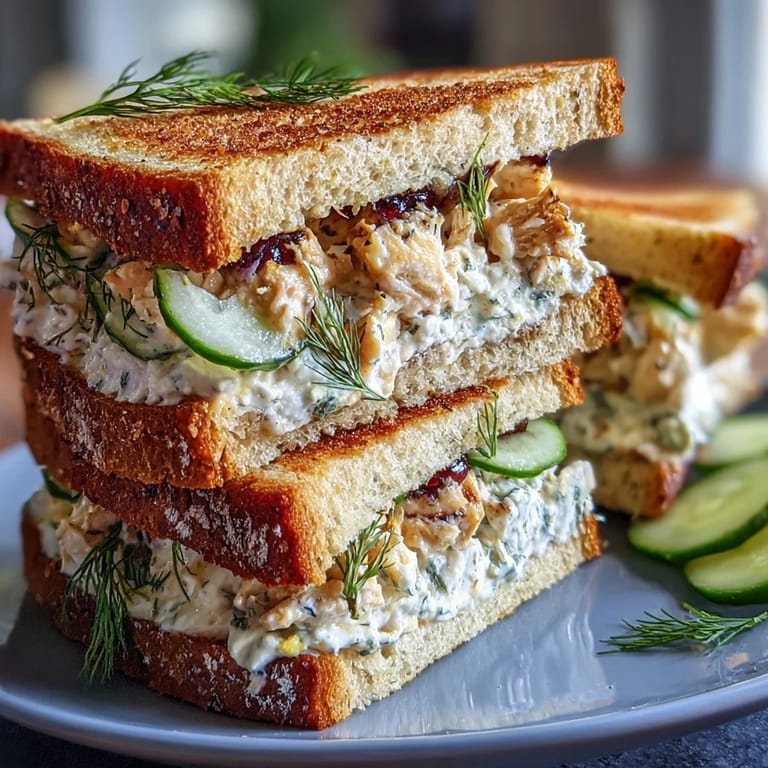
- English cucumber, thinly sliced: The watery, mild kind is crucial here; regular cucumbers would make everything soggy and bland by comparison.
- Radishes and fresh herbs: These are optional but worth including if you have them—they add a slight peppery note that keeps things from feeling too buttery.
Tired of Takeout? 🥡
Get 10 meals you can make faster than delivery arrives. Seriously.
One email. No spam. Unsubscribe anytime.
Instructions
- Blend your lemon butter:
- Combine the softened butter with lemon zest, juice, salt, and powdered sugar in a small bowl, stirring until the mixture lightens in color and feels fluffy—this takes about a minute and signals that air has been worked in. Taste it and adjust the lemon juice if you'd like it brighter.
- Spread with intention:
- Lay all your bread slices out and spread a generous but even layer of lemon butter on each one, moving the knife in gentle strokes so you don't compress the bread. You'll use more butter than you think you need, and that's correct.
- Layer your vegetables:
- On half your bread slices, arrange cucumber slices in slightly overlapping rows, then scatter radishes and herbs across the top if using them. A crack of black pepper finishes this layer beautifully.
- Press and seal:
- Place the remaining bread slices buttered side down on top of your filled slices, then press gently but firmly so everything adheres without squashing the cucumbers. The weight should feel intentional, not heavy-handed.
- Cut with a sharp knife:
- Using a serrated or very sharp straight knife, trim the crusts in one smooth motion, then cut each sandwich into three neat pieces—either rectangles or triangles, depending on your mood. Wipe your knife between cuts so you get clean edges.
- Keep them fresh:
- Arrange the finished sandwiches on your serving platter and drape with a lightly dampened tea towel so they stay moist without becoming wet. You can make these up to 2 hours ahead.
 Save
Save The real magic happens when you sit down with someone and watch them pick up one of these sandwiches, because there's always that split second of hesitation—are they really meant to taste this good?—followed by genuine surprise. That moment of discovery, over and over, is why I keep making them.
Why Bread Matters More Than You'd Think
Not all sandwich bread is created equal, and using day-old bread that's been sitting around will result in dense, crumbly triangles that fall apart in someone's hands. Seek out a bakery or grocery section where they're selling soft, fresh loaves that morning, and the difference will be immediately obvious—your knife will glide through instead of tearing, and the finished sandwiches will have an almost cloud-like quality. The bread should be sturdy enough to hold the butter and cucumber without becoming soggy, but tender enough that biting through feels effortless.
The Cucumber Question
English cucumbers are longer, thinner, and have far fewer seeds than regular varieties, which means they add water weight without the watery taste that can drag down delicate sandwiches. If you can only find standard cucumbers, pat them dry with paper towels after slicing and remove some of the center seeds with a small spoon before layering them. This extra step takes thirty seconds but prevents the unpleasant moment when someone bites into a soggy sandwich and the whole thing falls apart.
Small Touches That Elevate Everything
The difference between a nice sandwich and a memorable one often comes down to details that take barely any extra time. Edible flowers arranged across the platter catch light and draw eyes, while a small bowl of fleur de sel on the side lets people add their own finishing touches. Consider these final thoughts as you prepare yours:
- Chill the assembled sandwiches for 10 minutes before cutting so the butter firms up and gives you cleaner edges.
- If you're making these ahead, keep them covered until the last possible moment so the bread doesn't dry out or absorb too much moisture from the vegetables.
- Taste a tiny corner of your lemon butter before spreading it on all the bread—sometimes people prefer less lemon zest, and it's better to adjust now than too late.
 Save
Save These sandwiches have become my answer to the question of how to show people you care without spending hours in the kitchen. Serve them with tea, with wine, or just with good conversation—they're elegant enough for any occasion.
Recipe FAQs
- → How do I make the lemon butter spread?
Combine softened unsalted butter with finely grated lemon zest, fresh lemon juice, sea salt, and powdered sugar. Mix until creamy and light for a bright, tangy spread.
- → What type of bread works best for these sandwiches?
Soft white or whole wheat sandwich bread with crusts removed is ideal. Rye or pumpernickel can also be used for added variety.
- → Can I add other fillings besides cucumber and radishes?
Yes, smoked salmon or thinly sliced ham can be included for non-vegetarian options, and fresh herbs add extra flavor.
- → How should the sandwiches be cut for serving?
Trim off crusts if needed, then cut each sandwich into three finger-sized triangles or rectangles for easy handling.
- → What are some garnish ideas to enhance presentation?
Edible flowers, extra fresh herbs, or a light sprinkle of freshly ground black pepper enhance both look and taste.