 Save
Save There's something almost meditative about watching butter transform from pale yellow to liquid gold in a saucepan, especially when you catch that exact moment it smells like toasted hazelnuts instead of just dairy. My kitchen filled with that nutty perfume on a Tuesday afternoon, and I knew immediately these cookies would be different from every other butter cookie I'd made before. The brown butter alone felt like a secret ingredient, the kind that makes people ask what you did differently. Paired with pecans and a surprising hit of sea salt, these became the cookies I reach for when I want something that feels both elegant and deeply comforting.
I made a batch for my neighbor who had just moved in, and watching her face when she bit into one and found that salty edge was worth every minute of prep. She came back the next day asking if I'd share the recipe, which meant I had to explain the whole brown butter situation to someone who'd never done it before. It became this lovely excuse to actually slow down and cook together instead of just handing over a printed page.
Ingredients
- Unsalted butter (1 cup): The star of the show—browning it unlocks deep, caramel-like flavors that regular melted butter can't touch, so don't skip this step or use salted butter.
- All-purpose flour (2 1/4 cups): Standard pantry flour works perfectly here; there's no need for cake flour or anything fancy since we're going for a tender but structured cookie.
- Baking soda (1 teaspoon): This reacts with the acidity in brown sugar to help the cookies spread just the right amount and develop those golden edges.
- Fine sea salt (1/2 teaspoon): This goes into the dough itself and keeps the flavors balanced; don't confuse it with the flaky salt you'll use on top.
- Light brown sugar (1 cup) and granulated sugar (1/2 cup): The combination of both sugars gives you moisture from the molasses in brown sugar plus the structure from white sugar.
- Large eggs (2) at room temperature: Cold eggs are stubborn and won't incorporate smoothly, so pull them out of the fridge about 30 minutes before you start.
- Pure vanilla extract (2 teaspoons): Real vanilla matters here because the brown butter is doing something special, and vanilla amplifies that nuttiness.
- Pecan halves (1 1/2 cups), toasted and coarsely chopped: Toasting wakes them up and deepens their flavor, and keeping them chunky means you taste actual pecan in every cookie instead of flour-coated dust.
- Flaky sea salt (such as Maldon) for finishing: This is the surprise at the end—use the good stuff because those flakes will be visible and you want them to taste clean and briny, not like table salt.
Tired of Takeout? 🥡
Get 10 meals you can make faster than delivery arrives. Seriously.
One email. No spam. Unsubscribe anytime.
Instructions
- Brown your butter first, while everything else waits:
- Melt the butter in a medium saucepan over medium heat, then keep cooking and swirling for about 5–7 minutes until it foams, turns golden, and smells like toasted nuts. You'll see the solids sink to the bottom and turn golden—that's where all the flavor is, so don't panic. Pour it into your mixing bowl and let it cool for 10 minutes while you handle the pecans.
- Toast the pecans while waiting:
- Preheat your oven to 350°F, spread the pecan halves on a baking sheet, and toast for 6–8 minutes, stirring halfway through so they brown evenly. They'll smell amazing and taste so much more alive than raw pecans; this step is worth its few minutes. Cool them, then chop them up roughly—you want chunks, not powder.
- Build your dough base with the cooled butter:
- Once the brown butter has cooled, add both sugars and beat them together until the mixture looks a little lighter and the sugar grains start to dissolve. Add your eggs one at a time, making sure each one is fully incorporated before adding the next, then stir in the vanilla. This creates a smooth, creamy base that will hold everything together.
- Combine dry and wet together gently:
- In a separate bowl, whisk flour, baking soda, and fine sea salt so everything is evenly distributed. Slowly add this dry mixture to your butter mixture, stirring until you just barely see no white streaks of flour anymore—overmixing makes tough cookies. Fold in those toasted pecans so they're distributed throughout without crushing them.
- Shape and prepare for baking:
- Line your baking sheets with parchment paper, scoop about 2 tablespoons of dough per cookie, and space them about 2 inches apart because they'll spread a little. Sprinkle a tiny pinch of flaky sea salt right on top of each cookie—this is the final flourish that makes them special.
- Bake until the edges are golden and centers look just set:
- Bake for 12–14 minutes, watching for golden edges while the very center still looks slightly underdone because they'll firm up as they cool. Let them sit on the baking sheet for 5 minutes so they set enough to move, then transfer to a wire rack where they'll finish cooling and firm up completely.
 Save
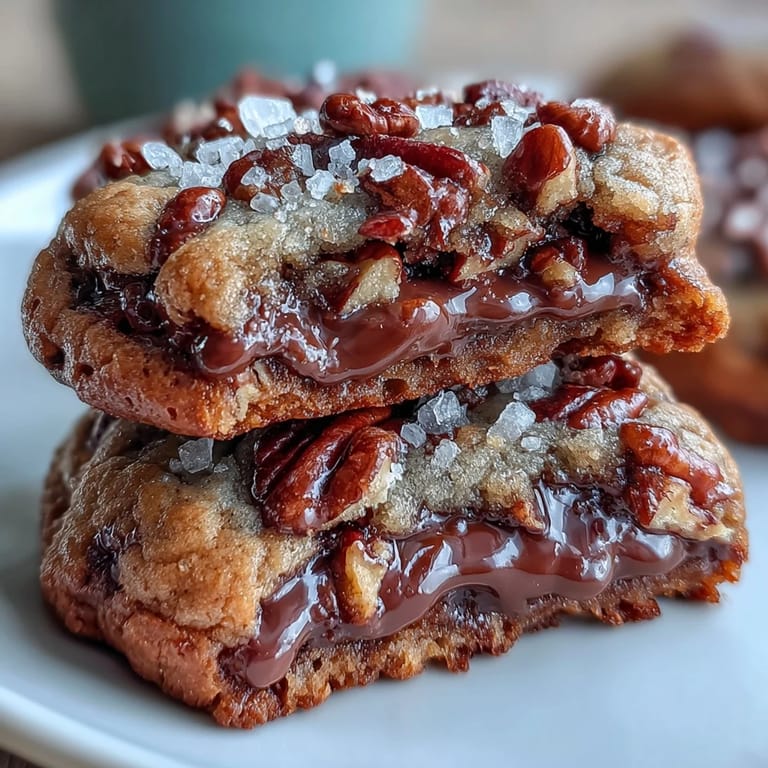
Save These cookies sat in a tin on my kitchen counter for three days while I kept telling myself I'd save them for something special, but honestly they were too good to ignore. By the fourth day I'd eaten almost half the batch, and my only regret was not making a double recipe.
Why Brown Butter Changes Everything
Brown butter isn't just a fancy technique—it's a flavor multiplier that turns ordinary butter cookies into something that tastes like you've been baking professionally for years. The milk solids in butter caramelize as it heats, creating nutty, almost toffee-like notes that regular melted butter simply can't achieve. Once you understand this, you'll start browning butter for everything from shortbread to brownies to frosting.
The Sweet and Salty Balance That Matters
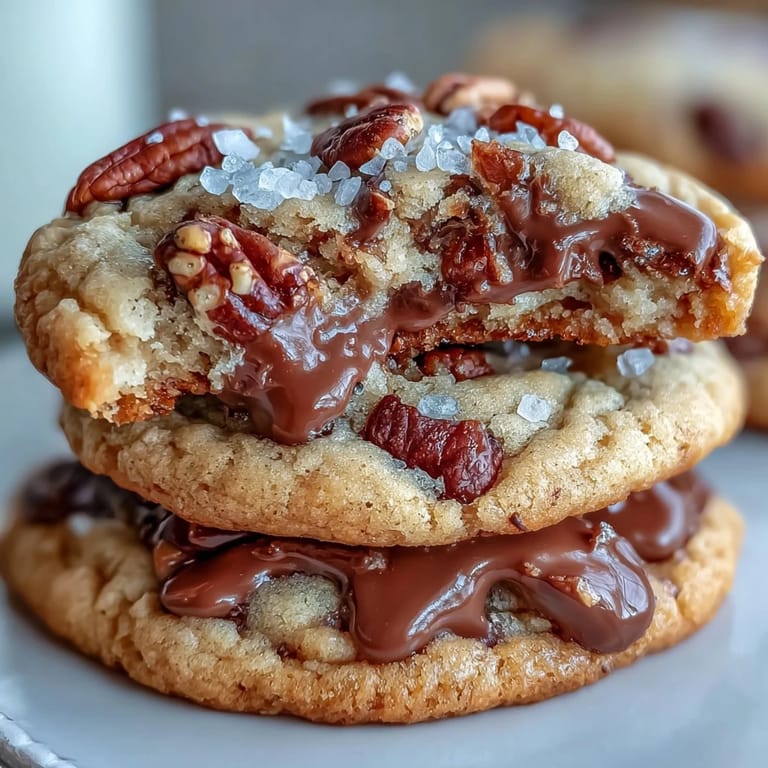
That pinch of flaky sea salt on top isn't just decoration—it's the moment when your brain recognizes sweetness but can't quite place why these cookies feel so interesting. The salt makes the brown butter flavor pop and somehow makes the whole cookie taste more pecan-forward than it would without it. When you bite through that crispy flake into the tender cookie underneath, you understand why chefs became obsessed with this combination.
Making These Your Own
This is the kind of recipe that begs for small changes once you've made it once—maybe you want to swap the pecans for toasted walnuts or macadamia nuts, or you're curious about what happens if you chill the dough overnight. The brown butter and sea salt combination is solid, but the cookie itself is flexible enough that you can play around with the nut situation. I've also found that if you're in the mood for something extra, a tiny pinch of cinnamon in the dough plays beautifully with the brown butter and pecan flavors.
- If your dough is too soft after mixing, chill it for 30 minutes to an hour before scooping—this makes them less likely to spread into thin lace cookies.
- Store these in an airtight container at room temperature, and they'll stay soft and delicious for about four days (though they rarely last that long).
- These freeze beautifully either as unbaked dough scoops or as finished cookies, so you can bake fresh cookies whenever the mood strikes.
 Save
Save These cookies feel like a small luxury that doesn't require any fancy equipment or skills—just patience for the brown butter and attention while they bake. They're the kind of thing that makes your kitchen smell incredible and somehow makes everything feel a little bit more special.
Recipe FAQs
- → How do I brown the butter properly?
Melt butter over medium heat and swirl frequently. Watch for it to foam, turn golden brown, and emit a nutty aroma, usually 5-7 minutes. Remove promptly to avoid burning.
- → Can I substitute other nuts for pecans?
Yes, walnuts are a great alternative that provides a different but complementary nutty taste and texture when toasted and chopped.
- → Why is flaky sea salt used on top?
Flaky sea salt adds a delicate crunch and enhances the sweetness by balancing flavors on the surface of the baked goods.
- → Is chilling the dough necessary?
Chilling for 1-2 hours helps develop deeper flavors and improves dough handling, but it’s optional for quicker preparation.
- → What texture should the final baked product have?
The finished items should have golden edges with a slightly soft center, offering a tender bite combined with crunchy toasted nuts.